
When to Start Pembroke Welsh Corgi Potty Training
You can begin potty training your Pembroke Welsh Corgi puppy as early as 8 weeks old, though smaller breeds may need extra patience as their bladders are proportionally smaller than larger breeds. The key is starting early with consistent routines and realistic expectations for your breed.
Info
Pembroke Welsh Corgi puppies can hold their bladder for approximately 2–3 hours at 8–10 weeks old. Add one hour for each month of age, up to about 8 hours maximum for adult dogs. Never expect a young Pembroke Welsh Corgi puppy to "hold it" through an 8-hour workday.
Expected Potty Training Timeline for Pembroke Welsh Corgis
Based on breed size, intelligence, and temperament, expect your Pembroke Welsh Corgi to be reliably house-trained within 3–5 months. Small breeds like the Pembroke Welsh Corgi can be slightly more challenging than larger breeds due to smaller bladder capacity, but their intelligence helps offset this.
| Age | Milestone | Accidents Expected |
|---|---|---|
| 8–10 weeks | Learning where to go; taking puppy outside every 2–3 hours | Multiple daily |
| 10–12 weeks | Starting to signal need to go; fewer indoor accidents with consistent schedule | 1–3 daily |
| 3–4 months | Developing reliability; can hold it for 3–4 hours | 0–2 daily |
| 4–6 months | Mostly reliable but occasional regression during excitement or stress | Occasional |
| 6+ months | Fully house-trained with consistent routine | Rare |
Common Pembroke Welsh Corgi Puppy Waste Issues
Pembroke Welsh Corgi puppies face some breed-specific challenges during potty training. Understanding these helps you respond correctly rather than punishing normal puppy behavior.
- Submissive/excitement urination: Pembroke Welsh Corgi puppies are enthusiastic greeters and may dribble when excited. This is involuntary and will resolve with maturity — never punish it
- Frequent small accidents: Pembroke Welsh Corgi puppies have tiny bladders relative to their metabolic rate. They need outdoor trips every 2–3 hours minimum — set alarms if needed
- Soft or loose puppy stools: Pembroke Welsh Corgi puppies are transitioning between mother's milk, weaning food, and their permanent diet. Loose stools are common during food transitions. This breed is especially sensitive to food changes — transition very slowly.
- Coprophagia (eating waste): Many puppies experiment with eating their own waste. This usually resolves by 6 months, but prompt cleanup helps break the habit
- Marking behavior: Small breeds are more likely to mark indoors. Neutering/spaying and consistent training help reduce this behavior
House Training Tips for Pembroke Welsh Corgi Owners
Success with Pembroke Welsh Corgi potty training comes down to consistency, positive reinforcement, and understanding your breed's specific needs. Here are proven strategies tailored to the Pembroke Welsh Corgi's temperament and size.
- Establish a rigid schedule: Take your Pembroke Welsh Corgi puppy outside every 2–3 hours, plus immediately after waking up, eating, drinking, and playing. High-energy breeds like the Pembroke Welsh Corgi need extra post-play bathroom breaks
- Use a designated potty spot: Always bring your Pembroke Welsh Corgi to the same area of the yard. The scent from previous visits reminds them what this spot is for. Choose a spot that's easy to clean and away from play areas
- Reward immediately: The instant your Pembroke Welsh Corgi finishes going outside, praise enthusiastically and offer a high-value treat. Active breeds respond best to excited verbal praise combined with treats — timing is critical, as dogs associate rewards with their most recent action
- Crate training: Use an appropriately sized crate — your Pembroke Welsh Corgi puppy should be able to stand, turn around, and lie down, but not much more. Dogs instinctively avoid soiling their den. Adjust crate size as your puppy grows
- Learn your puppy's signals: Pembroke Welsh Corgis typically signal by becoming suddenly restless, sniffing the floor in circles, or running to the door. When you see these signs, get outside immediately — even mid-meal
- Never punish accidents: Rubbing your Pembroke Welsh Corgi's nose in waste or yelling causes fear, not learning. Simply clean the accident with an enzymatic cleaner (critical for removing scent markers) and increase your supervision
- Supervise or confine: When you can't actively watch your Pembroke Welsh Corgi puppy, use a crate, exercise pen, or baby-gated area. Freedom is earned through consistent potty success
Warning
Pee pads can actually delay house training in Pembroke Welsh Corgis. While convenient, they teach your puppy that going indoors is acceptable. If you must use them, transition to outdoor-only as soon as possible.
Pembroke Welsh Corgi Waste Progression: Puppy to Adult
Your Pembroke Welsh Corgi's waste changes significantly as they grow from puppy to adult. Understanding these changes helps you differentiate normal development from health issues.
| Age | Daily Frequency | Waste Volume | Notes |
|---|---|---|---|
| 8–12 weeks | 6–8 times | 1 oz/day | Small, frequent, often soft. Color and consistency may change as puppy adjusts to solid food |
| 3–6 months | 5–6 times | 1 oz/day | Increasing volume as puppy grows. Stools should be firming up as digestive system matures |
| 6–12 months | 2–5 times | 2 oz/day | Approaching adult patterns. Pembroke Welsh Corgis reach adult size by 10–12 months |
| 1–2 years | 2–4 times | 2.6 oz/day | Full adult waste output. Consistency and frequency should be predictable and regular |
During this growth period, your Pembroke Welsh Corgi's yard waste output increases from about 1 oz per day as a young puppy to the full adult output of 2.6 oz per day. That's a 5x increase — and the perfect time to establish a professional cleanup routine that grows with your dog.
Transitioning Your Pembroke Welsh Corgi Puppy to the Yard
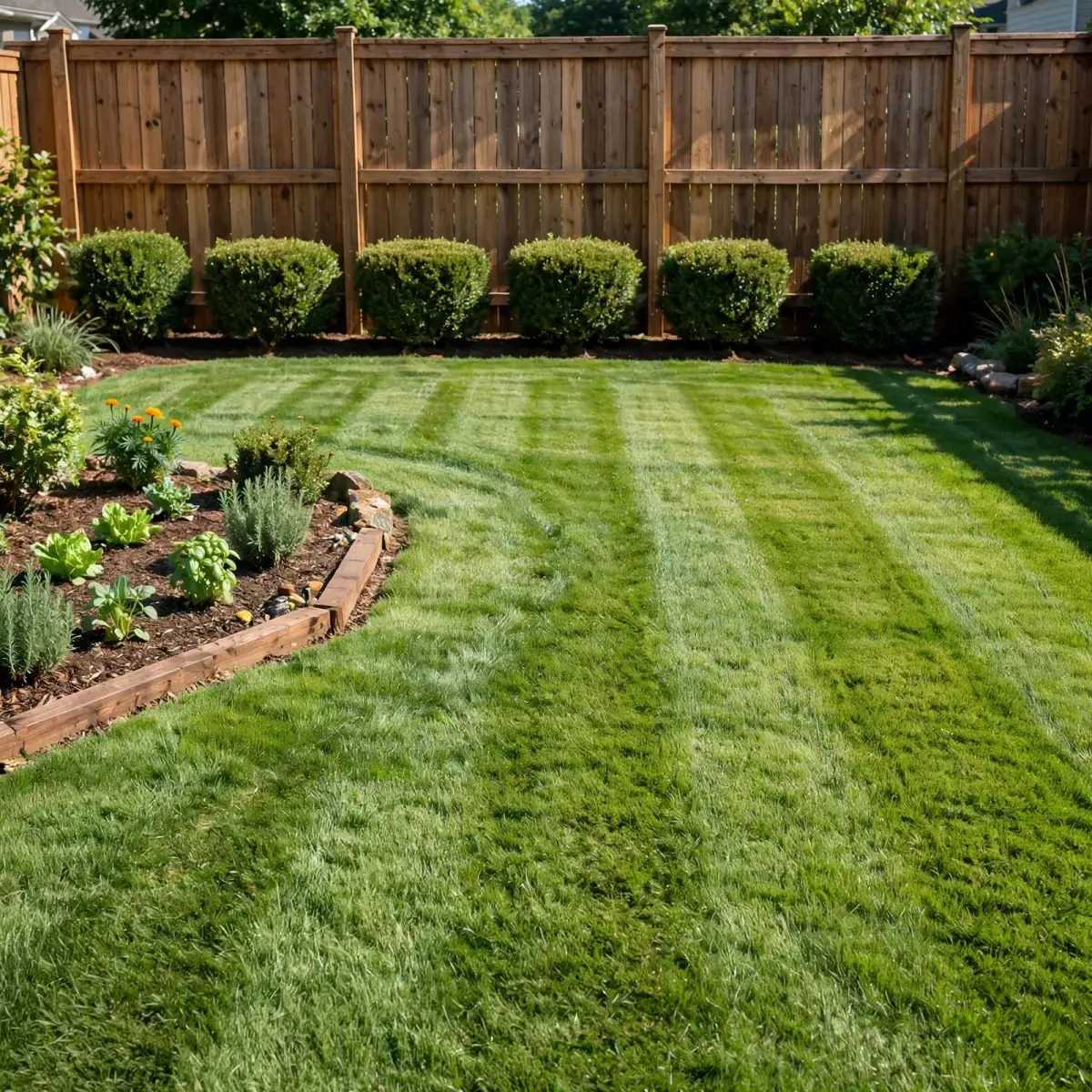
The ultimate goal of potty training is a Pembroke Welsh Corgi that reliably uses the yard for all bathroom needs. This transition requires a clean, safe outdoor environment — and that's where professional waste removal makes a real difference.
- Keep the yard clean during training: Puppies are drawn to spots where they've gone before. A professional cleanup ensures your Pembroke Welsh Corgi gravitates toward the designated potty area, not random spots around the yard
- Create a consistent elimination zone: For small breeds like the Pembroke Welsh Corgi, choose a spot near the door that's easy to reach quickly. Small puppies can't hold it during a long walk through the yard
- Weather considerations: Pembroke Welsh Corgis have thick coats and generally handle cold weather well, but rainy or muddy conditions may cause reluctance. Keep the potty area accessible in all weather
- Safety first: Ensure the yard is free from toxic plants, standing water, and old waste that could harbor parasites. Puppies are especially vulnerable to parvovirus and intestinal parasites found in contaminated soil
- Positive associations: Make the yard a place your Pembroke Welsh Corgi loves. After successful bathroom trips, reward with a few minutes of play — active breeds like Pembroke Welsh Corgis see playtime as the ultimate reward
Info
Clean Paws makes potty training easier by keeping your yard waste-free between visits. A clean yard helps your Pembroke Welsh Corgi puppy learn the right habits from day one — and saves you from the unpleasant task of scooping during those intense early weeks of training. Get a free quote today and let us handle the cleanup while you focus on training.
Related Resources
- Pembroke Welsh Corgi Breed Profile →
Complete waste management guide for Pembroke Welsh Corgi owners
- How Much Does a Pembroke Welsh Corgi Poop? →
Daily waste output, frequency, and cleanup needs for Pembroke Welsh Corgis
- Best Diet for Pembroke Welsh Corgis →
Foods that improve digestion and waste quality for Pembroke Welsh Corgis