
Overview
For overnight accidents in the crate, the most effective approach is right-size the crate, remove water 2 hours before bedtime, last potty trip right before crate, and set an alarm for middle-of-night potty break. Most owners see meaningful progress within most puppies can make it through the night (6-8 hours) by 4-5 months of age.
Step-by-Step Training Guide
Successful potty training requires consistency, patience, and a structured approach. Follow these steps for the best results.
- Establish a consistent feeding schedule — same times every day, measured portions.
- Take your puppy outside immediately after eating, waking up, and playing.
- Choose a designated potty spot and always go to that spot first.
- Use a consistent verbal cue ("go potty") and wait patiently.
- Reward immediately (within 2 seconds) after successful outdoor elimination.
- Supervise closely indoors — if you can't watch, confine to a puppy-safe space.
- Clean accidents with enzyme cleaner to fully remove scent markers.
Common Mistakes That Slow Progress
- Punishing accidents — this teaches the dog to hide, not to hold it.
- Inconsistent schedule — irregular feeding and outdoor times confuse the puppy.
- Too much freedom too soon — gradually expand the puppy's access as reliability improves.
- Not cleaning accidents properly — residual scent encourages repeat accidents.
- Giving up too early — some breeds take 6+ months and that's normal.
Warning
Never rub a dog's nose in their accident. This outdated method causes fear and anxiety without teaching the desired behavior. Positive reinforcement is proven to work faster.
Expected Timeline
For your specific situation (overnight accidents in the crate), expect most puppies can make it through the night (6-8 hours) by 4-5 months of age.
| Milestone | Typical Timeline | What to Expect |
|---|---|---|
| First outdoor success | Day 1-3 | Puppy eliminates outside at least once |
| Pattern recognition | Week 1-2 | Puppy starts going to the door |
| Mostly reliable | Month 1-3 | Accidents reduce to 1-2 per week |
| Fully reliable | Month 3-6 | Zero accidents for 30+ consecutive days |
Maintaining a Clean Yard During Training
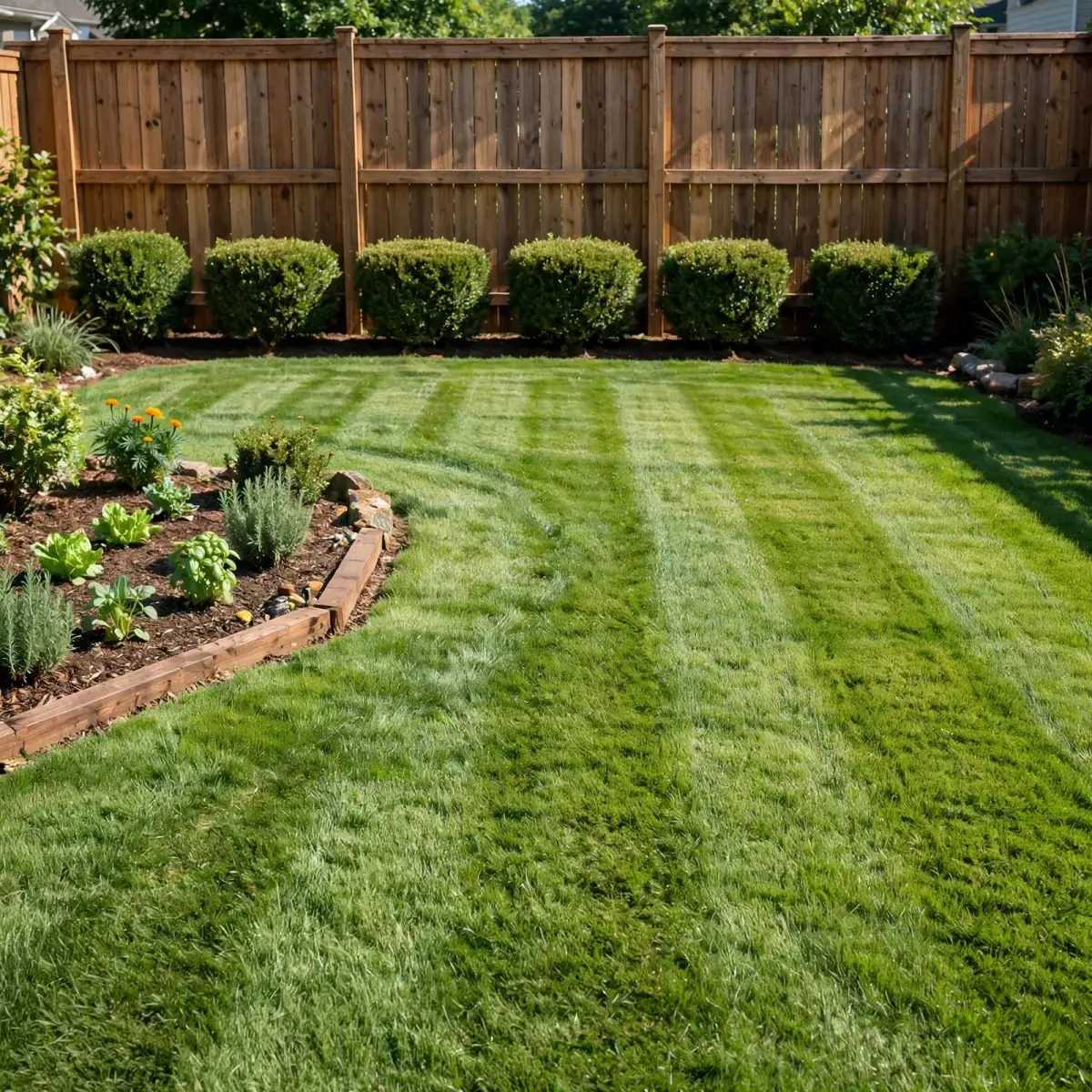
A clean yard is essential during potty training. Dogs are more likely to use a clean potty area and avoid one that's already soiled. Regular waste removal supports the training process.
Tip
Clean Paws can help maintain your training area during the potty training phase — a consistently clean designated spot reinforces good bathroom habits.
Related Resources
- How to Potty Train a Puppy in an Apartment (Step by Step) →
Learn more about potty train puppy apartment
- Dog Won't Poop in New House or After Moving →
Learn more about dog won't poop new house
- Potty Training a Dog from a Shelter or Kennel Environment →
Learn more about shelter dog potty training