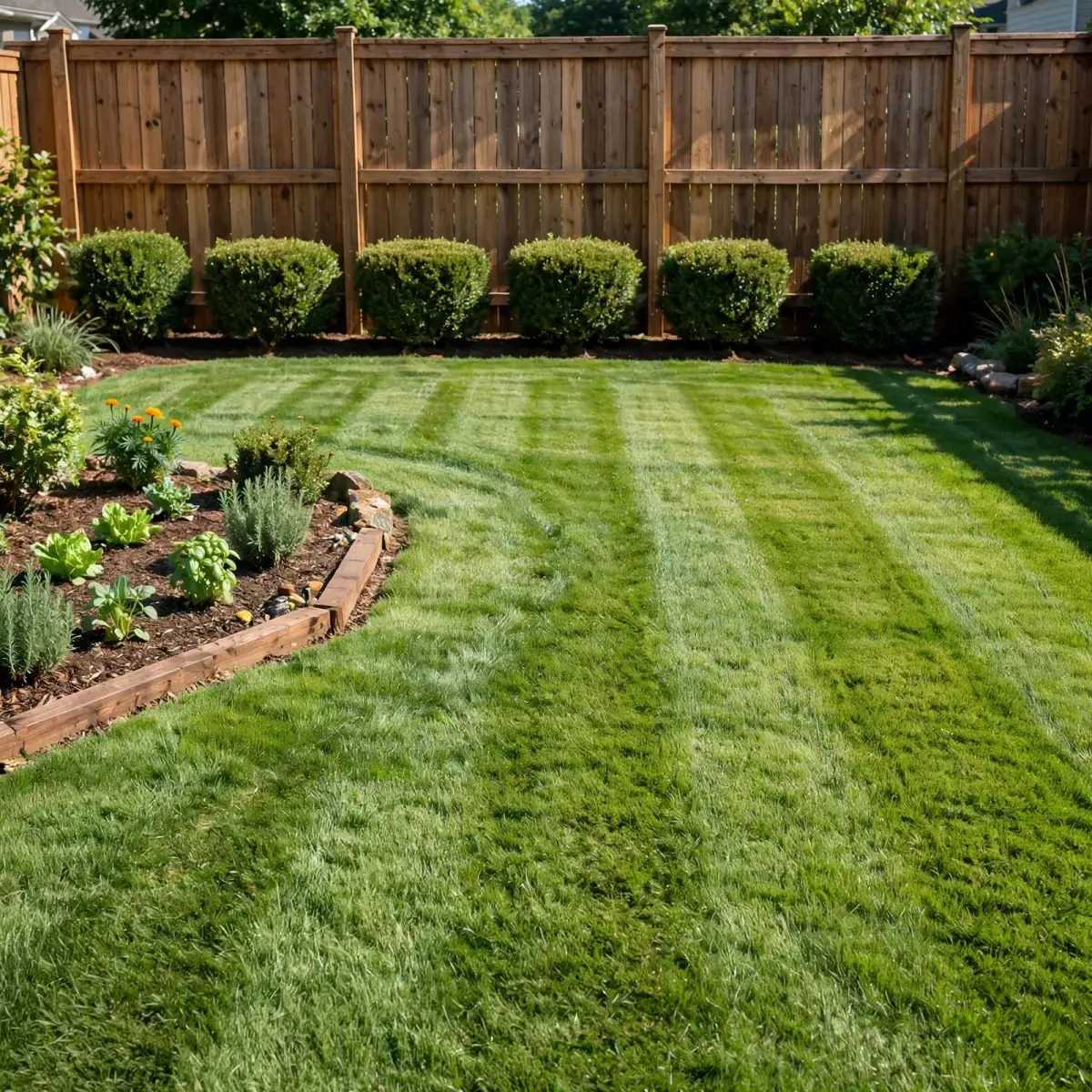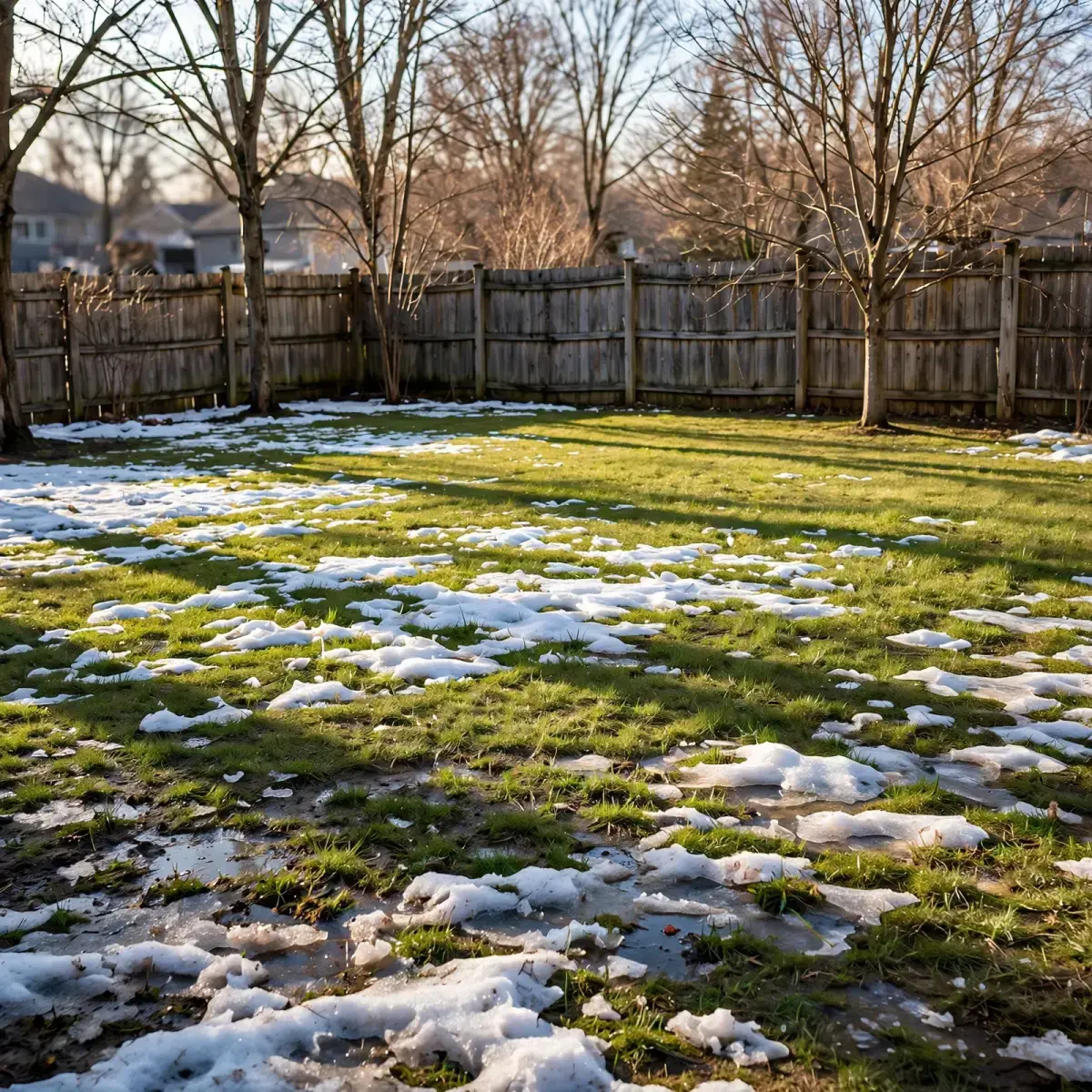
If you own a dog in the Hudson Valley, you know what spring means: months of accumulated pet waste emerging from the melting snow. After a long New York winter, your yard needs serious attention before you can enjoy it again. Here's your complete guide to tackling the post-winter cleanup.
Why Spring Cleanup Is Critical
During winter, frozen ground and snow cover make it difficult (and unpleasant) to keep up with pet waste removal. By the time March and April roll around in the Hudson Valley, you could be looking at three to four months of accumulated waste. This isn't just unsightly — it's a health hazard.
- Concentrated bacteria: Months of waste means significantly higher bacterial loads in your soil.
- Lawn damage: The nitrogen overload from accumulated waste can kill large sections of grass.
- Parasite risk: Roundworm and hookworm eggs survive freezing temperatures and become active in spring warmth.
- Odor: As temperatures rise, the smell from months of waste becomes intense.
Step 1: The Initial Cleanup
Before you can even think about lawn care, you need to remove all the accumulated waste. This is the most labor-intensive step, but it's non-negotiable.
- Start from the edges of your yard and work inward in a systematic grid pattern.
- Use a dedicated scooper and bags — not your bare hands, even with gloves.
- Check under bushes, along fence lines, and in garden beds where waste often gets hidden by leaves and snow.
- Don't forget side yards and any areas near your home's foundation.
Pro tip: This is where a professional service really pays for itself. A one-time cleanup from Clean Paws handles the entire post-winter mess, so you can skip straight to enjoying your yard.
Step 2: Assess Lawn Damage
Once the waste is removed, survey your lawn for damage. Common issues after winter buildup include:
- Yellow or brown patches: Nitrogen burn from concentrated waste. These areas may need reseeding.
- Bare spots: Where heavy waste accumulation killed the grass entirely.
- Compacted soil: Waste creates a barrier that prevents air and water from reaching grass roots.
- Fungal growth: Dark, slimy patches indicate fungal issues often caused by excess organic matter.
Step 3: Soil Recovery
After removing waste and assessing damage, help your soil recover:
- Rake thoroughly: Remove any remaining organic debris and dead grass.
- Aerate damaged areas: Use a garden fork or aerator to break up compacted soil.
- Apply lime if needed: Dog waste acidifies soil. A soil test can tell you if you need lime to restore pH balance.
- Top-dress with compost: A thin layer of quality compost helps restore beneficial microorganisms.
Step 4: Reseed and Repair
For badly damaged areas, reseeding is necessary. In the Hudson Valley, the best time to overseed is early spring (late March through April) or early fall. Choose a grass seed blend rated for your sun exposure.
- Loosen the top inch of soil in bare spots.
- Spread seed at the recommended rate (don't over-seed).
- Lightly cover with a thin layer of compost or topsoil.
- Keep newly seeded areas moist but not saturated for 2-3 weeks.
Step 5: Establish a Regular Removal Schedule
The best way to avoid another overwhelming spring cleanup? Stay on top of waste removal year-round. Even in winter, weekly or bi-weekly removal prevents the massive spring buildup that damages your lawn.
Professional services like Clean Paws operate year-round in the Hudson Valley. We come rain, snow, or shine to keep your yard clean, so spring is just another season — not a dreaded cleanup project.
Hudson Valley Spring Timeline
Here's a rough timeline for the spring cleanup season in our area:
- Late February - Early March: Snow begins melting. Waste starts becoming visible. Begin planning your cleanup.
- Mid March: Ground thaws enough for thorough waste removal. This is the ideal time for a one-time cleanup.
- Late March - April: Prime time for lawn repair, aeration, and overseeding.
- May: New grass should be establishing. Regular maintenance keeps your yard looking great all season.
Don't Wait — Your Yard Will Thank You
The longer you wait on spring cleanup, the more damage accumulates. Bacteria multiply in warming temperatures, and damaged grass struggles to recover as the season progresses. Whether you tackle it yourself or let professionals handle it, the key is to start as soon as the ground thaws.
Ready to skip the mess and get straight to enjoying your yard this spring? Clean Paws offers one-time spring cleanups and ongoing weekly service throughout the Hudson Valley. Get a free instant quote and see how affordable a clean yard can be.