
Every Groomer's Nightmare
Dogs stepping in, sitting in, or rolling in waste is a regular occurrence. As a professional groomer, I see dogs arrive with waste matted into their coats weekly. It is unsanitary, uncomfortable for the dog, and harder to clean than preventing.
Breeds Most at Risk
- Long-coated breeds: Golden Retrievers, Collies, Shih Tzus — waste clings and mats
- Short-legged breeds: Dachshunds, Corgis, Bassets — belly contact with ground waste
- Feathered breeds: Setters, Spaniels — leg and belly feathering traps debris
- Curly-coated breeds: Poodles, Bichons — curls hold waste against skin
- Double-coated breeds: Huskies, Malamutes — undercoat traps moisture and bacteria
Home Cleanup Tips
- Do not attempt to brush out dried waste — it pulls painfully and spreads bacteria
- Warm water rinse first, then pet-safe shampoo on the affected area
- For severe matting, cut out the worst clumps with blunt-tip scissors
- Dry thoroughly — wet waste residue against skin causes irritation
Tip
A sanitary trim (shaving the belly, rear, and inner legs short) on long-coated dogs dramatically reduces waste adherence. Ask your groomer about a hygiene trim.
Prevention Is Better Than Cleanup
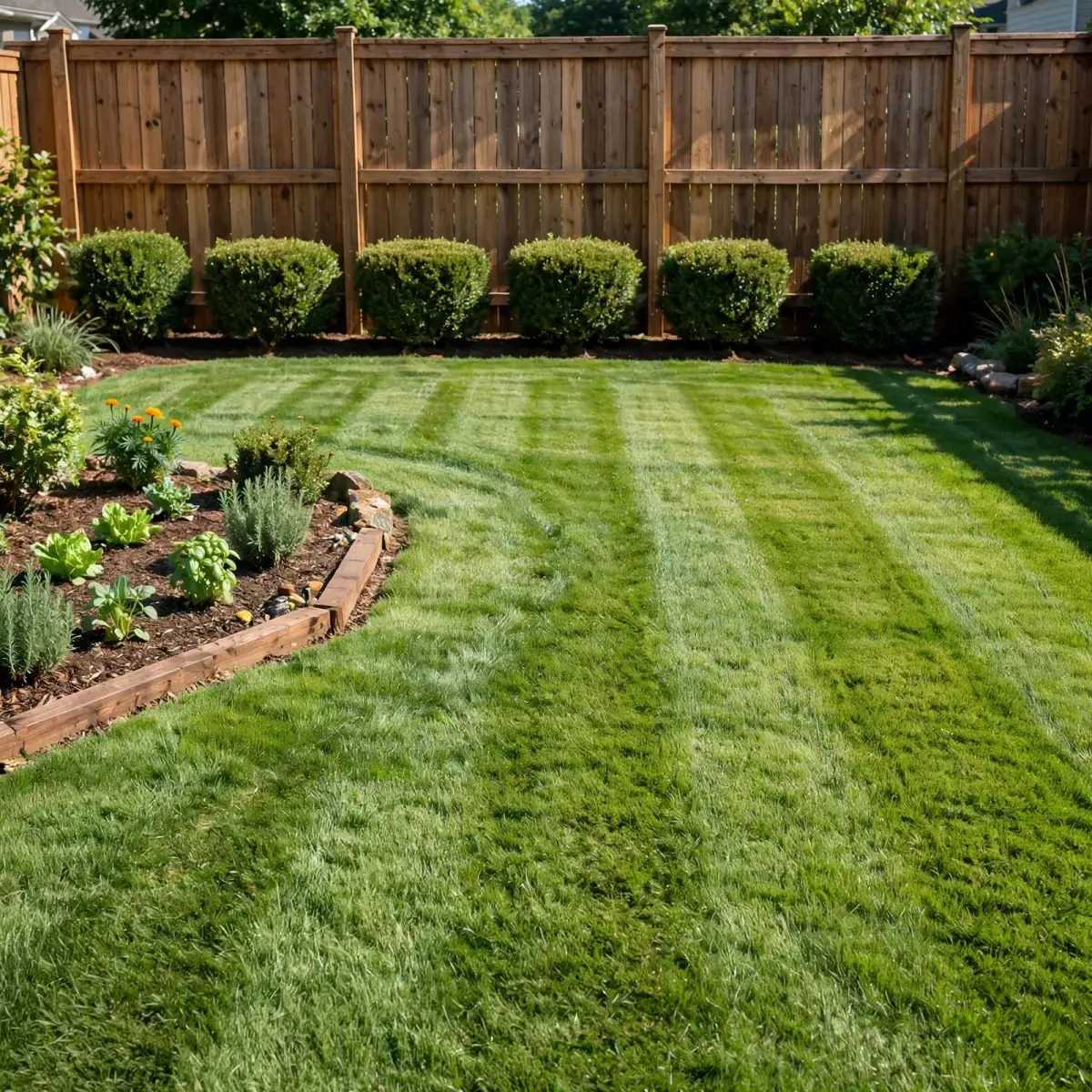
A clean yard means your dog is far less likely to step in, sit in, or roll in waste. Clean Paws professional service eliminates the deposits before your dog encounters them.