
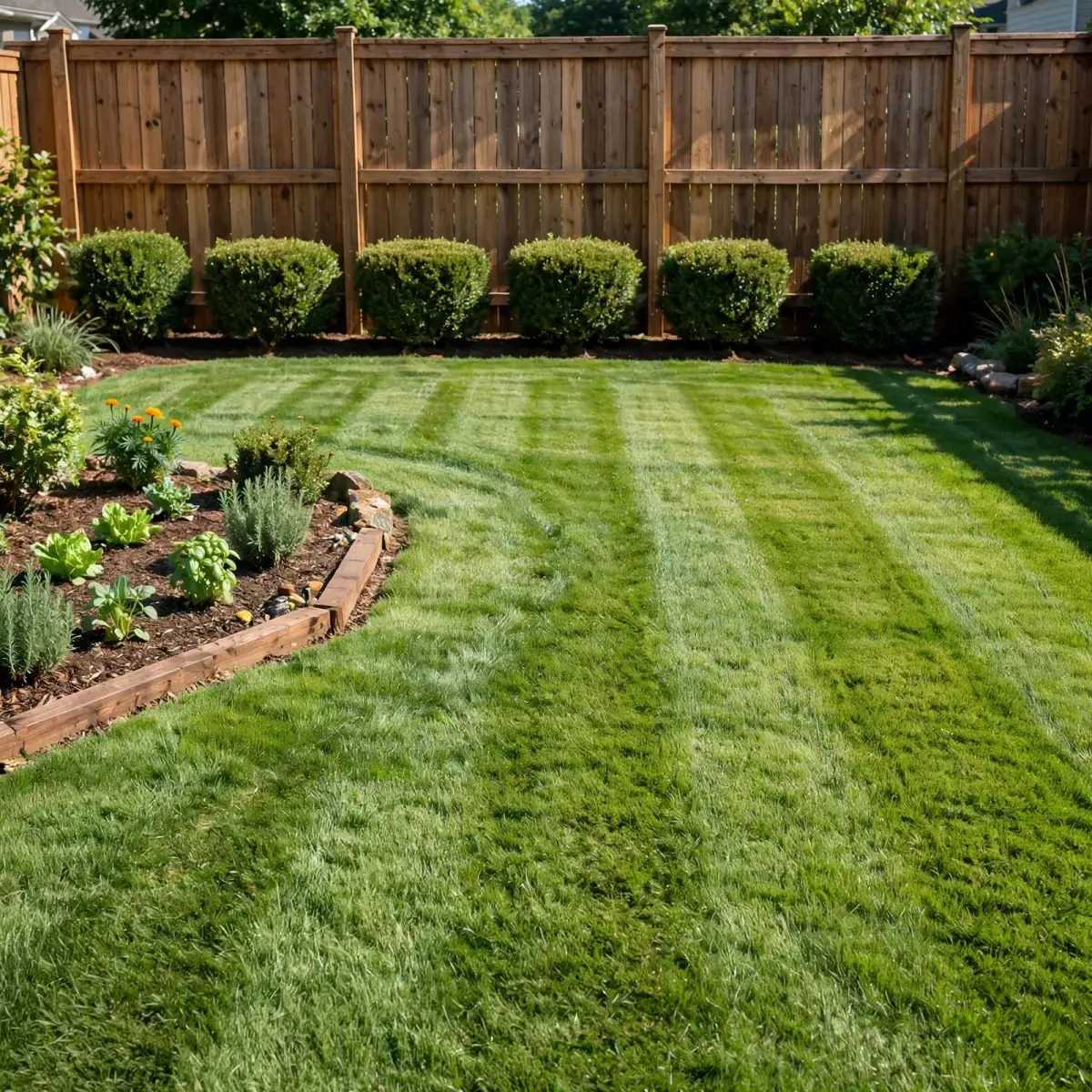
How Dog Waste Reaches Well Water
Rain and snowmelt wash bacteria from surface waste into the soil. In areas with shallow water tables, sandy soils, or improperly constructed wells, this contamination can reach groundwater.
- Surface runoff carries bacteria to areas near the wellhead.
- Infiltration through soil — bacteria travel downward through porous soils.
- Cracked well casings or improper seals allow surface water entry.
- Accumulated waste near the wellhead creates a concentrated contamination source.
Contaminants of Concern
| Contaminant | Health Risk | Detection |
|---|---|---|
| E. coli | Gastroenteritis, HUS | Standard coliform test |
| Total coliform | Indicator of fecal contamination | Standard water test |
| Nitrates | Blue baby syndrome (infants) | Chemical water test |
| Giardia cysts | Giardiasis | Specialized testing |
| Cryptosporidium | Cryptosporidiosis | Specialized testing |
Testing Recommendations
- Test your well water annually for total coliform and E. coli.
- Test more frequently if you have multiple dogs or livestock.
- Test after heavy rains or flooding events.
- Test for nitrates annually — especially if you have infants.
- If coliform is detected, test for specific pathogens.
Info
Most county health departments offer free or low-cost well water testing. Contact yours for local testing options.
Safe Distance Guidelines
- Keep dog waste disposal areas at least 100 feet from your well.
- Do not allow dogs to habitually defecate within 50 feet of the wellhead.
- Ensure proper well cap and casing seals.
- Direct surface drainage away from the wellhead area.
- Pick up all waste within the 100-foot radius promptly.
What to Do If Your Well Tests Positive
- Stop drinking the water immediately — use bottled water.
- Shock chlorinate the well (or hire a professional).
- Re-test after 24-48 hours.
- Identify and eliminate the contamination source (which may include accumulated pet waste).
- Consider installing UV treatment or reverse osmosis.
Tip
For rural properties with wells, professional waste removal is both a convenience and a water safety measure. Keeping waste away from the wellhead area protects your drinking water.
Related Resources
- Get a Free Quote →
Professional pet waste removal keeps your yard safe and makes health monitoring easier
- Healthy Poop Color Chart →
Visual reference for normal vs abnormal dog poop colors