Winter in the Hudson Valley brings snow, ice, and freezing temperatures — but your dog still needs to go outside every day. Many dog owners let waste removal slide during the cold months, assuming the frozen ground and snow cover make it a problem for spring. That assumption leads to one of the most common (and costly) yard care mistakes. Here is your complete guide to managing dog waste through the winter season.
Key Takeaways
- Freezing does not kill bacteria or parasites in dog waste — it preserves them until spring thaw
- Winter accumulation creates a concentrated contamination event during spring melt
- Frozen waste is harder to find and remove, making professional service especially valuable in winter
- Year-round removal prevents the overwhelming (and damaging) spring buildup
- Dogs are still at risk of picking up parasites from contaminated snow and ice
The Winter Waste Myth
The most dangerous misconception about winter dog waste is that cold temperatures somehow neutralize it. Many homeowners believe that freezing kills bacteria, that snow covers the problem, or that everything will just "wash away" in the spring. None of this is true.
Freezing preserves waste. When dog poop freezes, the bacteria and parasites inside enter a dormant state. They are not dead — they are waiting. As soon as temperatures rise above freezing, these organisms become active again. This means that waste deposited in November is still a health hazard in March.
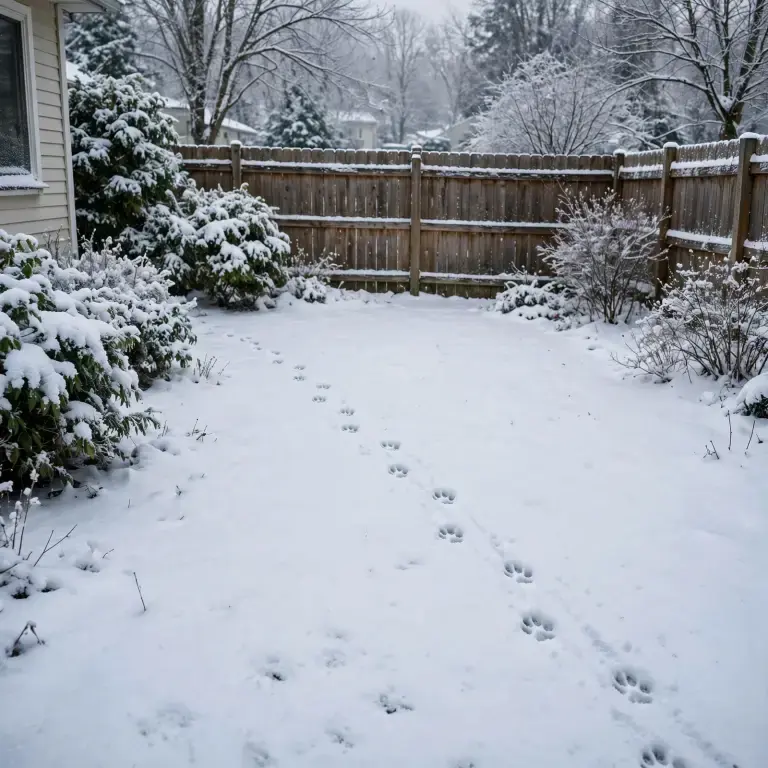
Snow hides but does not eliminate waste. A fresh layer of snow makes your yard look pristine, but underneath, waste is accumulating. Each snowfall buries another layer, creating a stratified mess that only reveals itself during thaw.
The Spring Thaw Problem
If you skip winter cleanup, here is what happens in March and April: months of accumulated waste thaws simultaneously, creating a concentrated burst of contamination at the worst possible time. Spring rains compound the problem, washing bacteria, nitrogen, and phosphorus directly into the soil, storm drains, and local waterways.
We covered this phenomenon in detail in our Spring Yard Cleanup Guide for Hudson Valley Dog Owners. The bottom line: preventing winter accumulation is far easier and less expensive than dealing with the aftermath in spring.
The lawn damage from a full winter's worth of accumulated waste can take an entire growing season to repair. Brown patches, dead spots, and soil acidity issues are all more severe when waste has been sitting — and freezing and thawing — for months.
Winter-Specific Challenges
Dog waste removal in winter comes with unique obstacles. Understanding them helps explain why so many homeowners fall behind — and why professional service is particularly valuable during the cold months.
Finding Waste Under Snow
After a snowfall, locating waste becomes a guessing game. You may know the general areas your dog prefers, but wind, drifting snow, and multiple trips outside spread waste across the yard in unpredictable patterns. Professional cleanup crews develop systematic approaches to winter yards, using grid patterns and knowledge of common deposit areas to find what homeowners miss.
Frozen Ground and Ice
When waste freezes to the ground or becomes encased in ice, removal requires more effort and the right technique. Attempting to scrape frozen waste off surfaces can damage grass, decking, and patio materials. Professional services use appropriate tools and methods to remove frozen waste without damaging the surfaces underneath.
Shorter Daylight Hours
With sunset as early as 4:30 PM in the Hudson Valley during December, many dog owners are letting their pets out in the dark. This makes it nearly impossible to track where waste is deposited, leading to missed spots that accumulate over weeks.
Cold Weather Reluctance
Let's be honest: nobody wants to spend time in their yard with a scooper when it is 20 degrees and windy. The natural human tendency is to defer the unpleasant task, which is exactly how winter accumulation begins. This is perhaps the strongest argument for a weekly professional removal service — someone else handles it rain, snow, or shine.
Health Risks That Do Not Take a Winter Break
While you might be spending less time in your yard during winter, the health risks from pet waste do not disappear with the cold.
- Parasite survival: Roundworm, hookworm, and whipworm eggs survive freezing temperatures. They can remain viable in frozen soil through the entire winter and become infectious as soon as conditions warm up.
- Cross-contamination: When your dog walks through areas with frozen waste, bacteria and parasite eggs stick to their paws and fur. They then track these contaminants into your home — onto floors where children play and crawl.
- Snow eating: Many dogs eat snow as a way to hydrate during walks. If that snow is contaminated with waste — theirs or another dog's — they risk ingesting harmful pathogens.
- Wildlife exposure: Coyotes, raccoons, and other wildlife attracted to pet waste can spread additional parasites and diseases. This is a year-round concern in the Hudson Valley.
Winter Dog Waste Removal Tips
If you are handling cleanup yourself during winter, these strategies will help you stay on top of it:
- Pick up immediately when possible: Waste is easiest to find and remove right after your dog deposits it, before snow covers it. Make it part of your outdoor routine — grab a bag on every trip outside.
- Designate a potty area: Training your dog to use a specific section of the yard makes winter cleanup much more manageable. Choose an area that is accessible and easy to maintain.
- Use a flashlight: For evening trips, a headlamp or flashlight helps you spot waste in the dark. Many dog owners use a motion-activated yard light near the designated potty area.
- Do not use salt or chemical ice melt near waste areas: These products can complicate cleanup and are harmful to your dog's paws. Use pet-safe ice melt on pathways instead.
- Keep supplies accessible: Store bags, a scooper, and a small disposal bin near your back door so cleanup requires minimal effort in cold weather.
- Schedule regular cleanups between storms: Take advantage of mild days between snow events to do a thorough sweep of the yard.
Why Year-Round Service Makes Sense
The strongest argument for professional pet waste removal is consistency. When you have a service that comes every week regardless of weather, you never face the overwhelming spring buildup. Your yard stays clean, your lawn stays healthy, and you never have to debate whether it is too cold to go out and scoop.
Clean Paws operates year-round throughout the Hudson Valley. Our crews are equipped for winter conditions and follow systematic approaches that ensure thorough cleanup even when snow is on the ground. We serve homeowners in Orange County, Dutchess County, and surrounding areas with reliable weekly and bi-weekly service that does not skip a beat when the temperature drops.
Frequently Asked Questions
Does freezing kill the bacteria in dog waste?
No. Freezing puts bacteria and parasites into a dormant state, but it does not kill them. When temperatures rise above freezing, these organisms become active again. Some parasite eggs, like roundworms, can survive repeated freeze-thaw cycles and remain infectious for years in the soil.
Is it worth picking up dog waste in the snow?
Absolutely. Every pile you remove in winter is one less pile contributing to the spring thaw contamination event. Regular winter removal also prevents the lawn damage that comes from waste sitting on grass for months. If the task feels overwhelming, a professional service handles it so you do not have to.
My dog goes in the same spot every time. Can I just clean that one area?
Focusing on your dog's preferred spots is a good start, but dogs are not perfectly consistent, especially when snow changes the landscape of your yard. Always check the full yard periodically. Professional crews cover the entire property on every visit to ensure nothing is missed.
Do Not Let Winter Waste Become a Spring Nightmare
The effort you put into winter waste removal pays dividends in spring. A clean yard in March means no overwhelming cleanup project, no concentrated contamination pulse, and no expensive lawn repairs. Whether you handle it yourself or let professionals take care of it, the key is to stay consistent through the cold months.
Ready to take winter waste off your to-do list? Get a free quote from Clean Paws and enjoy a clean yard every season — no matter the weather.