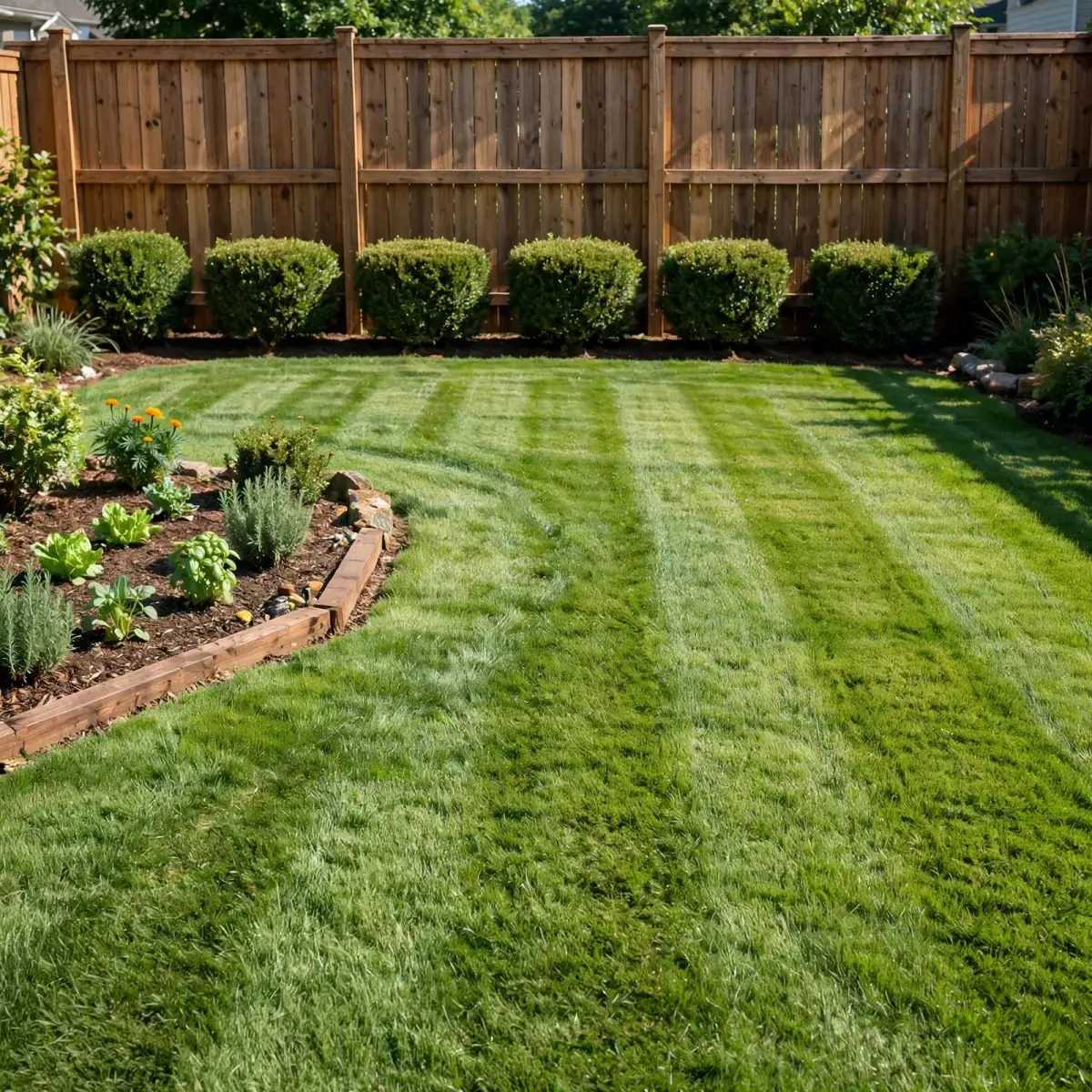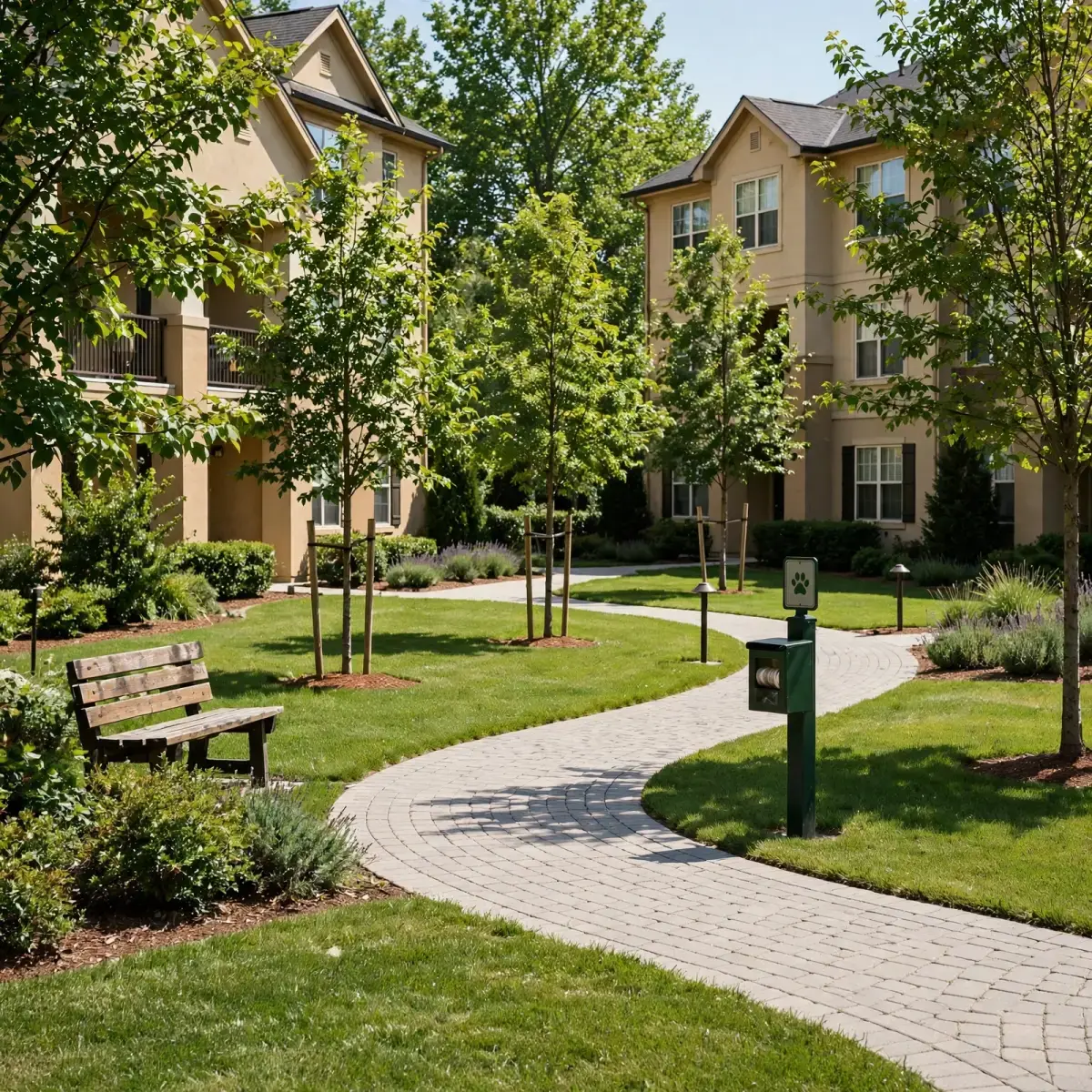
Pet waste is consistently one of the top complaints in homeowner associations, apartment communities, and managed properties. Despite pet policies, signage, and waste stations, the problem persists — because individual compliance is unreliable. For HOA boards and property managers, professional pet waste removal is not a luxury; it is a practical solution to a problem that affects property values, resident satisfaction, and community health.
Key Takeaways
- Pet waste is the number one complaint in many HOA and apartment communities
- Relying on individual pet owners for compliance creates inconsistent, unreliable results
- Professional removal services provide consistent, measurable results at a predictable cost
- Clean common areas improve property values, resident retention, and community satisfaction
- Commercial service plans are designed for the scale and frequency that managed communities need
The Scale of the Problem
Consider the numbers. In a typical apartment complex or HOA community with 100 units, pet ownership rates commonly run between 40 and 70 percent. That could mean 50 or more dogs using shared green spaces, walking paths, and common areas every day. Each dog produces an average of three-quarters of a pound of waste daily. That is nearly 40 pounds of waste deposited on your property every single day.
Even with the best intentions, not every pet owner picks up every time. Studies suggest that compliance with "pick up after your pet" policies hovers around 60 percent in managed communities. That means roughly 15 pounds of waste is being left on your property daily — accumulating on lawns, near walkways, in garden beds, and around playground areas.
Over a month, that is nearly 450 pounds of unmanaged waste. Over a year, the numbers are staggering. This is not a problem that signage and goodwill can solve. It requires a systematic approach.
Why Pet Policies Alone Do Not Work
Every managed community has pet policies. Most require owners to pick up after their pets immediately. Many provide waste bag stations throughout the property. Some impose fines for violations. Yet the problem persists. Here is why:
- Enforcement is impractical: Identifying which pet owner left waste at which location requires constant surveillance. Most communities do not have the staff or resources to monitor every green space around the clock.
- Fines create conflict: Even when violators are identified, issuing fines creates tension between management and residents. Many boards avoid enforcement to maintain community harmony, which effectively renders the policy meaningless.
- Waste stations have limits: Providing bags and disposal bins is helpful, but it still relies on individual compliance. Stations need regular restocking and maintenance, and they do not address the fundamental compliance gap.
- Turnover dilutes awareness: In apartment communities with regular turnover, new residents may not be aware of policies or may come from communities where different standards applied. Ongoing education is costly and time-consuming.
- Late-night and bad-weather visits: Pet owners who let dogs out late at night or in bad weather are the least likely to pick up. These are also the times when waste is hardest to find later.
The Impact on Property Value and Resident Satisfaction
Unmanaged pet waste affects your property in ways that directly hit the bottom line:
Property Value
Prospective buyers and renters form impressions within seconds of arriving at a property. Visible waste on lawns, damaged grass, and unpleasant odors signal poor management. In a competitive market, these impressions cost you applicants — and the best tenants and buyers have the most options.
Learn more about how pet waste specifically impacts property values in our detailed article: How Pet Waste Affects Your Property Value.
Resident Satisfaction and Retention
Pet waste is a quality-of-life issue. Residents who cannot enjoy common areas without watching every step grow frustrated. Non-pet-owning residents resent bearing the consequences of others' pets. This frustration drives complaints, negative reviews, and ultimately turnover — which costs far more than prevention.
Lawn and Landscape Maintenance Costs
Accumulated pet waste kills grass, creates bare spots, and degrades soil quality. Your landscaping contractor is fighting a losing battle if waste is not removed before mowing and maintenance. Many property managers find that adding pet waste removal actually reduces overall landscaping costs by preventing the damage that drives expensive repairs and reseeding.
Liability Concerns
Pet waste creates slippery surfaces on walkways and can harbor pathogens that pose health risks to residents, especially children and immunocompromised individuals. While litigation over pet waste is uncommon, the liability exposure is real — particularly for managed communities with a duty of care to residents.
The Professional Solution
Professional pet waste removal eliminates the compliance problem by taking individual behavior out of the equation. Instead of hoping 50 or more pet owners all do the right thing every time, you have a scheduled service that systematically cleans your entire property on a predictable schedule.
Clean Paws offers commercial pet waste removal specifically designed for HOAs, apartment communities, and managed properties. Here is how it works:
- Scheduled service: We visit your property on a regular schedule — typically two to three times per week for communities, though frequency is customized to your property's needs.
- Complete property coverage: Our crews systematically cover all common areas, walking paths, green spaces, dog runs, and perimeter areas. No section is skipped.
- Proper disposal: All waste is bagged and removed from the property in compliance with local regulations. No on-site storage or smell issues.
- Waste station maintenance: We can restock bag dispensers and maintain waste stations as part of the service, ensuring they remain functional for residents who do pick up.
- Service reporting: Boards and managers receive documentation of each service visit, providing accountability and records for your files.
Building Your Pet Waste Management Program
The most effective approach combines professional service with clear community policies. Here is a framework that works:
Step 1: Assess the Current Situation
- Survey the property to identify problem areas and high-traffic pet zones
- Count the number of registered pets (or estimate based on pet-friendly unit count)
- Document current complaints and the cost of existing mitigation efforts
- Identify areas where children play, near entrances, and along primary walkways — these are priority zones
Step 2: Establish Professional Service
- Select a service frequency based on pet density and property size (two to three times weekly is standard for most communities)
- Define coverage areas and priority zones
- Set expectations for service documentation and communication
Step 3: Communicate with Residents
- Announce the professional service as a community benefit — frame it positively
- Reinforce that individual pickup is still expected; the service is a supplement, not a replacement for personal responsibility
- Share information about health risks from pet waste to build understanding
Step 4: Maintain Waste Infrastructure
- Keep bag dispensers stocked and functional at all stations
- Ensure disposal bins are emptied regularly and do not overflow
- Consider adding stations in areas where you observe high pet traffic but no current infrastructure
Step 5: Monitor and Adjust
- Track complaints before and after implementing professional service — the reduction is typically dramatic
- Adjust service frequency seasonally (higher in spring and summer when outdoor use increases)
- Review annually as part of your community's budget planning
The Financial Case for Professional Service
Board members and property managers are understandably cost-conscious. Here is how to think about the investment in professional pet waste removal:
- Reduced landscaping repair costs: Professional removal prevents the lawn damage that drives expensive reseeding, sod replacement, and soil remediation
- Lower complaint management burden: Staff time spent addressing pet waste complaints, investigating violations, and mediating disputes has a real cost. Professional service dramatically reduces this burden.
- Improved retention and occupancy: Clean, well-maintained common areas are a competitive advantage. The cost of a vacant unit or an unsold home far exceeds the cost of waste removal service.
- Predictable budgeting: Professional service is a fixed, predictable line item — unlike the variable costs of damage repair, complaint management, and enforcement efforts.
Common Areas That Need Attention
When planning your commercial pet waste removal program, make sure these areas are covered:
- All common green spaces and lawns
- Walking paths and sidewalks (including edges and adjacent grass)
- Designated dog runs and pet areas
- Playground perimeters and children's play areas
- Entrance areas and front-facing landscaping
- Parking lot islands and perimeter landscaping
- Fence lines and property boundaries
- Areas around waste bag stations (ironically, these often accumulate the most waste)
Frequently Asked Questions
How often should a managed community have professional pet waste removal?
For most communities, two to three visits per week is the standard. Communities with high pet density or heavy use of common areas may benefit from daily service. We work with each property to determine the optimal frequency based on pet count, property layout, and usage patterns. Contact us for a free assessment of your property.
Can we pass the cost to pet-owning residents?
Many communities incorporate pet waste removal into overall HOA dues or common area maintenance charges, spreading the cost across all residents. Others charge a monthly pet fee that covers the service. The approach depends on your community's governing documents and board preferences. Either way, the cost per unit is typically modest compared to the benefits.
What about dog DNA programs — are those a better solution?
DNA-based identification programs require all pet owners to register their dogs and submit DNA samples. When waste is found, it is tested to identify the responsible dog. While these programs can improve compliance, they are significantly more expensive than professional removal, require high participation rates to be effective, and still do not solve the immediate problem of waste on the property. Most communities find that professional removal is more cost-effective and produces faster results. The two approaches can work together, but removal should be the foundation.
Take the First Step
If pet waste is a persistent issue in your community — and in most managed properties, it is — professional removal is the most effective solution available. It eliminates the compliance gap, protects your property investment, and improves the quality of life for every resident.
Clean Paws works with HOAs, property management companies, and apartment communities throughout the Hudson Valley. We understand the unique needs of commercial properties and design service plans that fit your property's layout, pet density, and budget.
Ready to solve your community's pet waste problem? Get a free quote and let us show you how easy professional pet waste management can be.