Your home is likely your biggest investment. You maintain the roof, update the kitchen, and keep the landscaping tidy — but if you are a dog owner, there is one factor that could be quietly undermining your property value: pet waste. From curb appeal to soil health to buyer perception, unmanaged pet waste has a measurable impact on what your home is worth. Here is what every homeowner needs to know.
Key Takeaways
- Unmanaged pet waste damages lawns, creating visible eyesores that reduce curb appeal
- Buyers and appraisers notice pet waste damage — it signals neglect and creates negative impressions
- Lingering odor from accumulated waste can affect outdoor enjoyment and neighbor relations
- Soil contamination from years of waste may require remediation before selling
- Regular professional removal protects your investment and keeps your property show-ready
Curb Appeal: First Impressions Matter
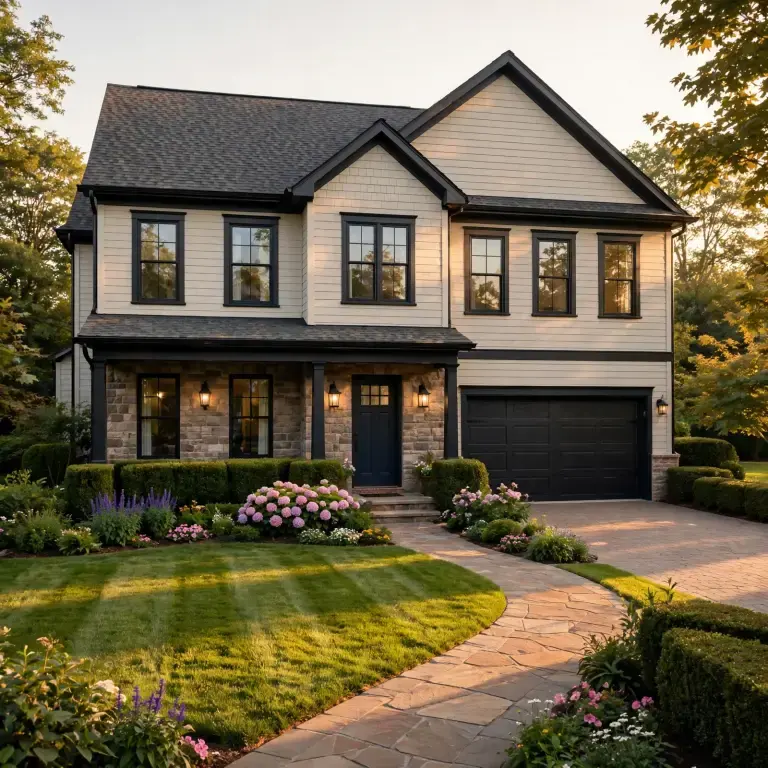
Real estate professionals consistently rank curb appeal as one of the most important factors in home sales. The National Association of Realtors reports that landscaping and outdoor spaces significantly influence buyer decisions, with well-maintained yards adding measurable value to home sale prices.
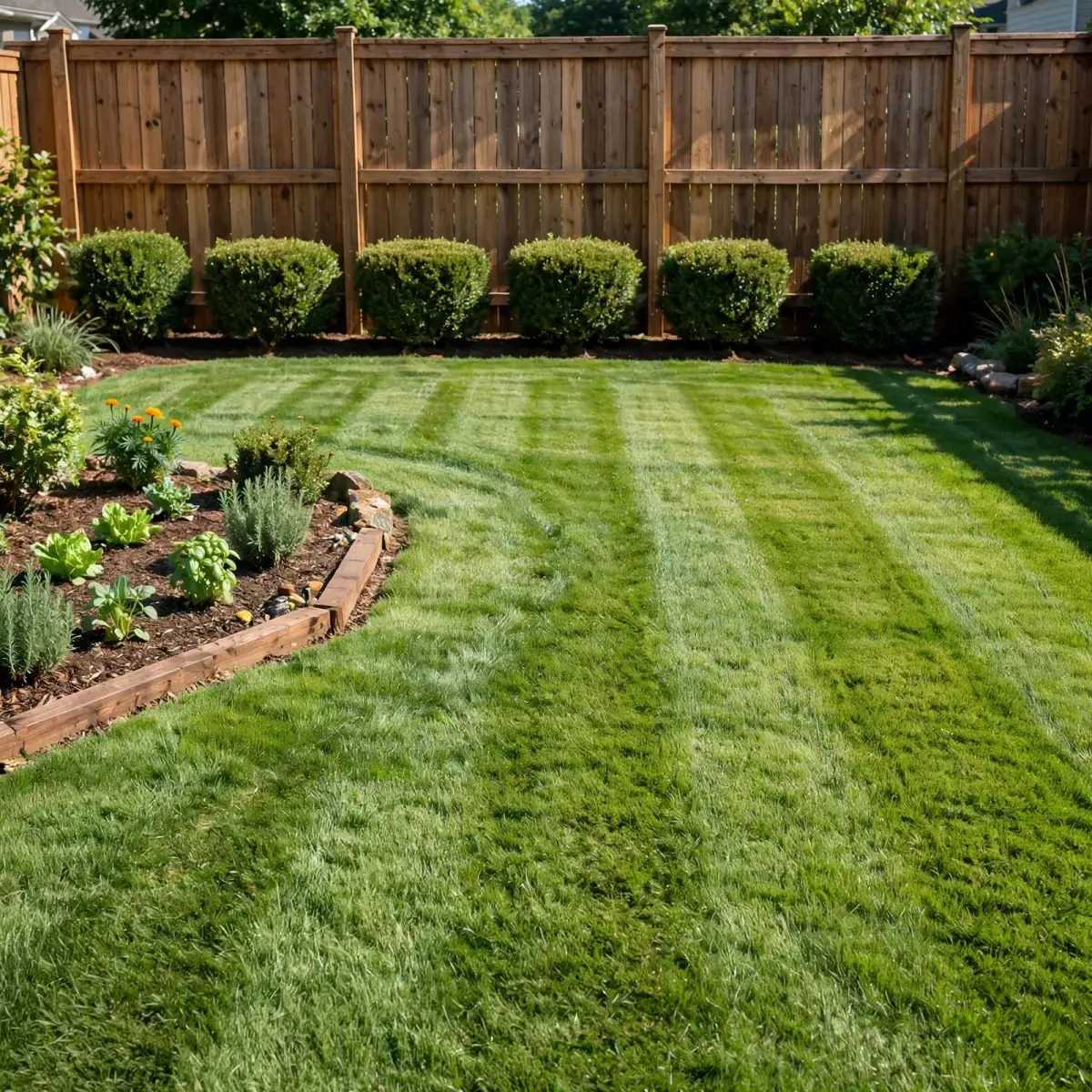
Now consider what a buyer sees when they walk a yard dotted with brown patches, bare spots, and visible waste. Even if the interior of your home is immaculate, a damaged yard sends a clear signal: this property has not been well maintained. That perception is difficult to overcome, even with price reductions.
The damage is not just cosmetic. The high nitrogen content in dog waste literally burns grass, creating the yellow and brown patches that are a telltale sign of pet ownership to anyone viewing your property.
The Appraisal Factor
When a home is appraised, the condition of the yard and landscaping is part of the evaluation. Appraisers assess the overall condition of the property, and a yard showing signs of neglect — dead grass, eroded soil, persistent odor — can result in a lower comparable value. While an appraiser will not specifically deduct for pet waste, the cumulative effect of lawn damage falls under the general condition assessment.
In competitive markets like the Hudson Valley, where buyers have options, even small differences in condition can mean the difference between multiple offers and a listing that sits.
How Pet Waste Damages Your Lawn (and Your Investment)
The damage from unmanaged pet waste goes deeper than the surface:
- Nitrogen burn: Dog waste contains far more nitrogen than grass can absorb. The result is localized "fertilizer burn" that kills grass and leaves brown, dead patches. A single dog using the same area repeatedly can destroy a significant portion of your lawn over a season.
- Soil pH disruption: Accumulated waste acidifies soil, making it hostile to the grass species common in Hudson Valley lawns. Restoring proper pH requires soil testing, lime application, and time.
- Compaction and fungal growth: Waste left to decompose on the surface creates a barrier that prevents air and water from reaching grass roots. It also promotes fungal growth that spreads to healthy lawn areas.
- Persistent odor: Accumulated waste produces odor that is noticeable to visitors, neighbors, and anyone spending time outdoors. In warmer months, the smell intensifies and can be detected from neighboring properties.
The Buyer Perception Problem
Even if you clean up your yard before listing your home, the damage from years of neglect is visible and difficult to reverse quickly. Savvy buyers and their agents know what pet waste damage looks like, and it raises concerns:
- "What else has been neglected?" — Visible yard damage leads buyers to question the maintenance of systems they cannot see, like HVAC, plumbing, and the roof
- "How much will lawn repair cost?" — Buyers mentally deduct the cost of sod replacement, soil remediation, and landscaping from their offer
- "Will the smell go away?" — Lingering odor in the yard — even after a surface cleanup — raises concerns about soil contamination
- "Are there health risks?" — Families with children are especially cautious about yards with visible waste damage due to parasite concerns
Preparing Your Yard for Sale
If you are planning to sell your home, addressing pet waste damage should be part of your pre-listing preparation. Here is a practical timeline:
Three to Six Months Before Listing
- Schedule a professional one-time yard cleanup to remove all accumulated waste
- Have your soil tested for pH and nutrient imbalances
- Begin lawn repair: aerate compacted areas, apply lime if needed, overseed bare spots
- Start a regular waste removal routine to prevent further damage
One to Two Months Before Listing
- Apply a second round of seed to any remaining bare patches
- Ensure the yard is on a weekly removal schedule to maintain a clean appearance for showings
- Address any lingering odor issues with thorough watering to flush surface contamination
During the Listing Period
- Maintain weekly professional cleanup — you never know when a showing will happen
- Keep all waste disposal bags and equipment out of sight
- Ensure the yard is freshly maintained before open houses
For Real Estate Agents and Property Managers
If you are a real estate agent or property manager in the Hudson Valley, pet waste is a conversation worth having with your clients. Recommending professional cleanup services to sellers shows that you understand the details that impact sale price and time on market.
For property managers overseeing rental properties, regular pet waste removal protects the property investment, reduces complaints from other tenants, and maintains the kind of curb appeal that keeps occupancy rates high. Our commercial pet waste removal service is designed specifically for multi-unit properties and managed communities.
The ROI of Regular Removal
Consider the math. Professional pet waste removal costs a fraction of what lawn repair, sod replacement, and soil remediation cost — and it is a tiny fraction of the property value at stake. Regular removal is preventive maintenance for one of your most valuable assets: your yard and, by extension, your home's value.
Think of it the same way you think about gutter cleaning, HVAC maintenance, or any other routine upkeep. It is a small, regular investment that prevents expensive problems down the road.
Frequently Asked Questions
Can pet waste damage actually lower my home's appraised value?
While appraisers do not specifically line-item pet waste, they assess overall property condition, including landscaping. A yard with significant dead patches, bare spots, and visible damage from waste will score lower on condition assessments. Combined with buyer perception issues, the practical impact on sale price can be meaningful — enough to justify the cost of prevention many times over.
How quickly can I repair a lawn damaged by years of pet waste?
With proper treatment — professional waste removal, soil amendment, aeration, and overseeding — you can see significant improvement in one to two growing seasons. For faster results, sod replacement in the most damaged areas provides immediate visual improvement. Start the process at least three months before listing if possible.
I rent my home. Should I still worry about pet waste in the yard?
Yes. Most leases hold tenants responsible for yard maintenance and damage. Excessive lawn damage from pet waste can result in security deposit deductions. Additionally, you and your family are exposed to the same health risks regardless of whether you own or rent. Regular cleanup protects everyone.
Protect Your Investment Starting Today
Your property value depends on the condition of your entire property — inside and out. Do not let pet waste be the factor that costs you thousands at the closing table. Regular professional removal is the simplest, most cost-effective way to protect your lawn, your curb appeal, and your home's value.
Ready to protect your investment? Get a free quote from Clean Paws and keep your property looking its best, season after season.