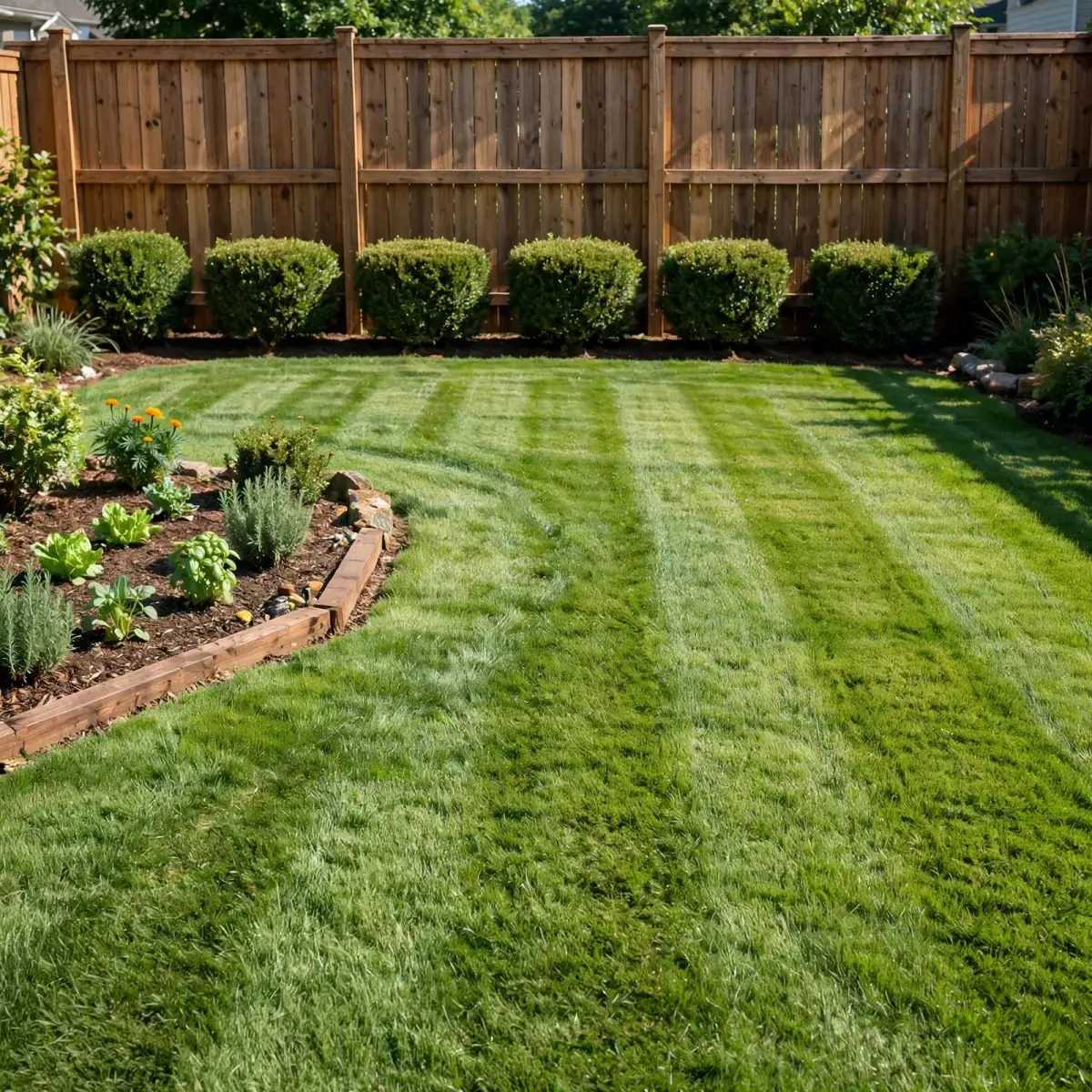
The right frequency for a pooper scooper service depends on a few straightforward factors: how many dogs you have, how big your yard is, the time of year, and whether anyone in your household has specific health concerns. Most dog owners in the Hudson Valley find that weekly service is the sweet spot, but your situation might call for something different.
Key Takeaways
- Weekly service is the most popular and recommended frequency for most households with 1-2 dogs.
- Bi-weekly service works for single small dogs or homes where dogs spend limited time outside.
- More dogs, larger yards, and warmer seasons all push toward more frequent service.
- Households with children or immunocompromised family members should prioritize weekly service minimum.
- Not sure what's right for you? Get a free quote and we'll help you choose.
Factor 1: Number of Dogs
This is the single biggest factor in determining your ideal service frequency. The math is straightforward: more dogs means more waste, which means your yard reaches "problem levels" faster.
One Dog
A single dog of average size (30-60 lbs) produces roughly 0.5 to 0.75 pounds of waste per day. Over a week, that's 3.5 to 5 pounds spread across your yard. For most single-dog households, weekly service keeps the yard consistently clean. If your dog is small (under 20 lbs) and your yard is modest, bi-weekly service can work well.
Two Dogs
With two dogs, waste accumulates at double the rate — 7 to 10 pounds per week. Weekly service is strongly recommended for two-dog households. At the bi-weekly interval, you're looking at 14 to 20 pounds of accumulated waste, which creates noticeable odor and significantly increases the risk of lawn damage and parasite exposure.
Three or More Dogs
Households with three or more dogs should consider weekly service as a minimum. Some multi-dog households with large breeds even benefit from twice-weekly visits during peak seasons. The waste output from three large dogs can exceed 15 pounds per week, and that volume overwhelms a yard quickly. For more detailed guidance, check out our complete guide to dog waste removal for multi-dog households.
Factor 2: Yard Size
Your yard size affects service frequency in ways that might seem counterintuitive:
Small Yards (Under 2,000 sq ft)
In a small yard, waste is concentrated in a limited area. Your dogs are repeatedly walking through and near their own waste, increasing contamination. Smaller yards actually benefit more from frequent service because there's less dilution — the waste-to-space ratio is higher. Weekly service is almost always the right call for small yards with any size dog.
Medium Yards (2,000-5,000 sq ft)
Medium yards offer more space for waste to spread out, but they also mean more ground to cover during cleanup. Dogs tend to establish preferred bathroom areas, so waste often concentrates in specific zones even in a larger yard. Weekly service works well for medium yards with 1-2 dogs.
Large Yards (5,000+ sq ft)
Large yards provide the most dilution, but they also make DIY cleanup significantly more time-consuming and easy to do incompletely. If you have a large property, professional service is especially valuable because trained technicians use systematic coverage patterns to ensure nothing is missed — even in far corners, along tree lines, or in garden beds you might skip yourself.
Factor 3: Seasonal Considerations in the Hudson Valley
Living in the Hudson Valley means distinct seasonal patterns that affect how quickly waste becomes a problem:
Spring (March - May)
Spring is the most critical season for pet waste management. Winter accumulation thaws rapidly, and the warming temperatures activate bacteria and parasites that have been dormant in frozen waste. If you're starting fresh in spring, a one-time deep cleanup followed by weekly service is the ideal approach. For a full seasonal guide, see our spring yard cleanup guide for Hudson Valley dog owners.
Summer (June - August)
Heat accelerates decomposition, intensifies odor, and attracts flies. In July and August, waste left for even a few days becomes extremely unpleasant and draws pests. Dogs also tend to spend more time outdoors in summer, increasing output. Weekly service is the minimum during summer months. Multi-dog households should consider bumping up to twice weekly.
Fall (September - November)
Fall is deceptive. Falling leaves cover waste, making it harder to find during DIY cleanup. The cooler temperatures reduce odor, which creates a false sense that the problem is less urgent. But the waste is still there, still contaminating soil, and still posing health risks. Maintaining weekly service through fall prevents the buildup that creates spring nightmares.
Winter (December - February)
Hudson Valley winters bring snow and freezing temperatures that freeze waste in place and make it difficult to find and remove. Many homeowners stop cleanup entirely during winter — which is exactly why spring buildup becomes so severe. Year-round weekly service, even in winter, is the best way to prevent the dreaded spring thaw situation.
Factor 4: Health and Safety Considerations
Certain household situations make more frequent service especially important:
- Young children: Kids play on the ground, put things in their mouths, and have developing immune systems. If children use your yard regularly, weekly service should be considered non-negotiable.
- Immunocompromised individuals: Anyone with a weakened immune system is at higher risk from the pathogens in dog waste, including E. coli, salmonella, and parasites like giardia and roundworms.
- Elderly residents: Older adults are both more susceptible to infections and more likely to suffer serious consequences from a fall caused by stepping in waste.
- Pregnant women: Certain parasites in dog waste, including toxoplasma (though more commonly associated with cat waste), pose risks during pregnancy.
- Other pets: If your dogs share the yard with cats, rabbits, or other pets, accumulated waste increases cross-contamination risk.
Choosing Your Schedule: A Quick Guide
Here's a straightforward breakdown to help you decide:
- Bi-weekly service works best for: single small dogs (under 20 lbs), small to medium yards, adult-only households, dogs that spend limited time outdoors.
- Weekly service is ideal for: 1-2 dogs of any size, any yard size, families with children, year-round reliability, and the vast majority of dog-owning households.
- Twice-weekly service is recommended for: 3+ dogs, large breed dogs, small yards with high concentration, summer months, and households with heightened health concerns.
What Happens When You Wait Too Long?
Understanding the consequences of delayed cleanup helps illustrate why frequency matters:
- After 3-4 days: Noticeable odor in warm weather. Flies begin laying eggs in waste. Lawn stress begins in concentrated areas.
- After 1 week: Visible lawn yellowing under waste deposits. Bacteria levels in soil increase significantly. Parasite eggs begin maturing to infectious stages.
- After 2 weeks: Clear brown patches forming. Strong odor detectable from a distance. Fly population increases. Soil contamination spreads beyond direct waste areas.
- After 1 month: Significant lawn damage requiring repair. High parasite load in soil. Potential for neighborhood complaints. Children and other pets at elevated health risk.
Frequently Asked Questions
Can I switch between weekly and bi-weekly depending on the season?
Absolutely. Many of our customers adjust their service frequency seasonally — stepping up to weekly during the heavy-use summer months and scaling back to bi-weekly in winter when their dogs spend less time outside. We make schedule changes easy and hassle-free.
What if I'm not sure which frequency is right for me?
Start with weekly. It's the most popular frequency for a reason — it keeps yards consistently clean for the widest range of households. If after a month or two you feel bi-weekly would suffice, you can always adjust. It's easier to scale back from a clean baseline than to recover from accumulated buildup.
Find Your Perfect Schedule
The right pooper scooper frequency keeps your yard clean, your family healthy, and your dogs safe — without you ever thinking about it. Whether you need weekly visits, bi-weekly maintenance, or a one-time cleanup to start fresh, Clean Paws has a service that fits.
We serve dog owners across the Hudson Valley, including Newburgh, Middletown, Monroe, and surrounding communities. Get your free quote today and let us recommend the perfect schedule for your household.