"It's natural fertilizer, right?" This is one of the most common misconceptions among dog owners. The truth is, dog poop is not a fertilizer — it's actually harmful to your lawn, your local water supply, and potentially your family's health. Here's what the science says.
Dog Poop Is NOT Fertilizer
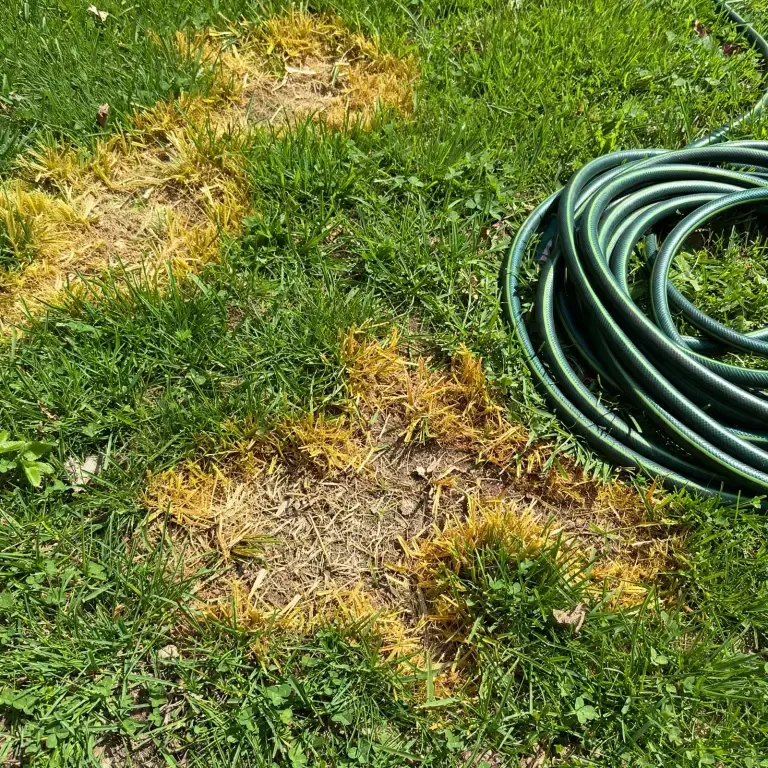
Unlike cow or horse manure, dog waste is extremely high in nitrogen and phosphorus due to their protein-rich diet. While small amounts of nitrogen help grass grow, the concentration in dog waste is so high that it actually burns and kills grass, leaving those familiar yellow and brown patches in your yard.
The EPA has actually classified pet waste as a non-point source pollutant, putting it in the same category as herbicides, insecticides, and toxic chemicals. That's a far cry from fertilizer.
The Bacteria Problem
A single gram of dog waste contains an estimated 23 million fecal coliform bacteria. These bacteria include dangerous pathogens like E. coli, salmonella, and campylobacter. When waste is left on your lawn, rain washes these bacteria into the soil and eventually into storm drains, streams, and groundwater.
According to the EPA, pet waste is a significant contributor to water pollution in urban and suburban watersheds. In the Hudson Valley, where many communities rely on well water, this is especially concerning.
Parasites in Dog Waste
Dog poop can contain a variety of parasites that survive in soil for years:
- Roundworms: Eggs can survive in soil for years and are transmissible to humans, especially children playing in yards.
- Hookworms: Larvae can penetrate skin on contact with contaminated soil.
- Giardia: A microscopic parasite that causes gastrointestinal illness in both humans and animals.
- Whipworms: Eggs can remain viable in soil for up to five years.
- Coccidia: Particularly dangerous for puppies and immunocompromised individuals.
How Long Does It Take Dog Poop to Decompose?
Many people assume dog waste will simply "go away" on its own. In reality, it takes up to a year for dog poop to fully decompose. During that entire time, it's releasing bacteria, attracting flies, and contaminating your yard.
In the Hudson Valley's climate, cold winters actually slow decomposition further. That buildup from fall and winter doesn't disappear with the spring thaw — it becomes a concentrated mess that can overwhelm your lawn.
The Impact on Your Lawn
Beyond the obvious unpleasantness, leaving dog waste on your lawn causes measurable damage:
- Brown spots: High nitrogen concentration burns grass, creating dead patches.
- Soil acidity: Accumulated waste changes soil pH, making it harder for grass to grow.
- Fungal growth: Excess moisture and nutrients from waste promote lawn fungus.
- Compaction: Waste left to decompose on the surface creates a layer that prevents proper water and air circulation.
What About the "It Washes Away" Myth?
When rain "washes away" dog poop, it doesn't disappear. The bacteria and nutrients are carried into storm drains, streams, and eventually lakes and rivers. The EPA estimates that two to three days' worth of waste from just 100 dogs can contribute enough bacteria to temporarily close a bay to swimming and shell fishing within 20 miles.
The Solution: Regular Removal
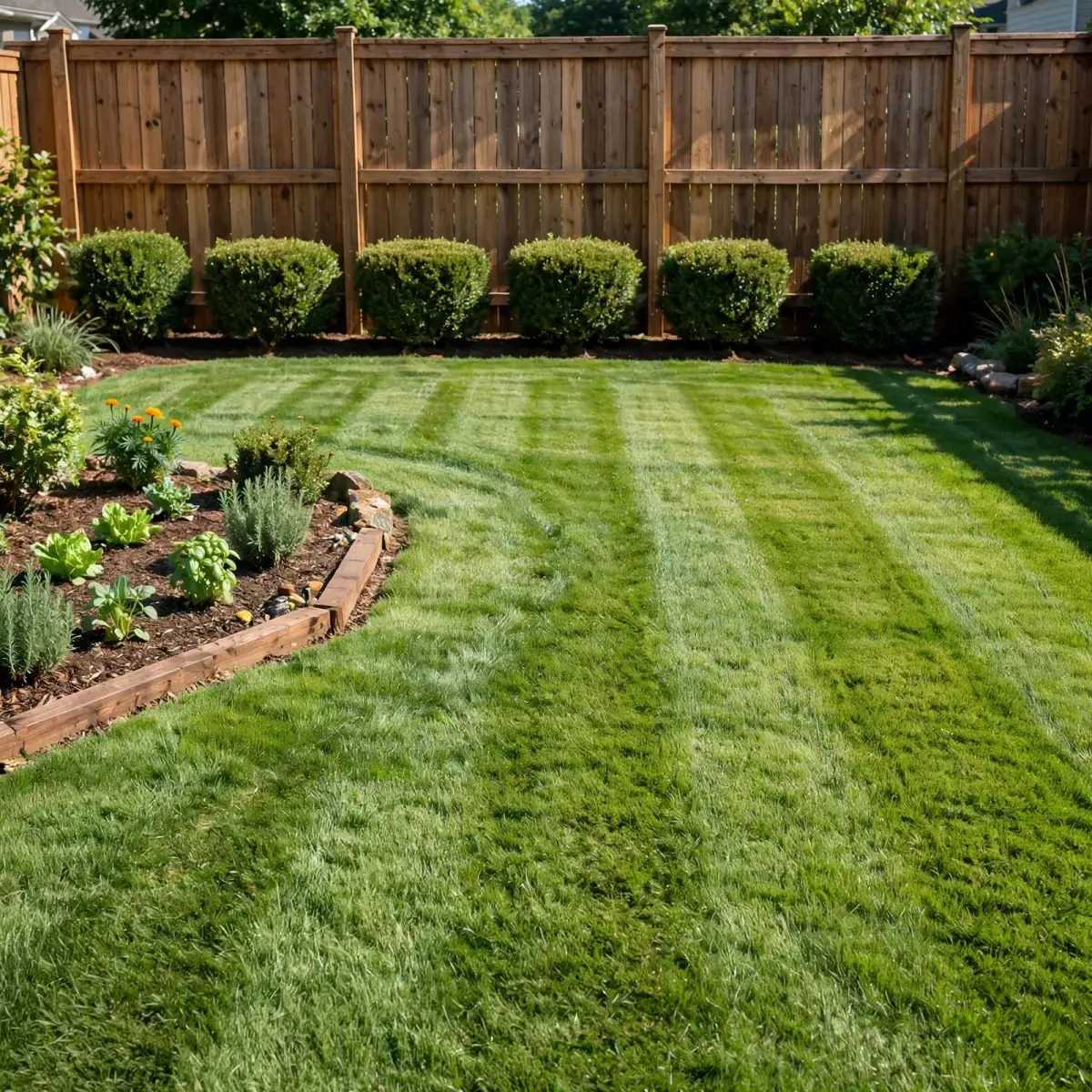
The good news? The solution is simple. Regular removal of pet waste — ideally weekly — prevents all of these problems. Your lawn stays green, your family stays safe, and your local waterways stay clean.
Professional pet waste removal services like Clean Paws make it effortless. We come to your yard on a regular schedule, remove all waste, and dispose of it properly. No more brown spots, no more health risks, no more stepping in surprises.
Key Takeaways
- Dog poop is a pollutant, not a fertilizer
- It contains 23 million bacteria per gram and can harbor parasites for years
- It takes up to a year to decompose and damages your lawn in the meantime
- Rain doesn't clean it up — it spreads the contamination
- Weekly removal is the best way to protect your lawn, family, and environment