
Understanding the Scope
A single dog produces approximately 275 pounds of waste per year. Over a typical 4-month winter, that's roughly 90 pounds of waste — the equivalent of a large bag of dog food — deposited across your yard and preserved under snow.
~90 lbs
Winter waste per dog
Accumulated November through February
250-350
Average piles
Individual deposits over 4 months
15-25
Lawn damage spots
Permanent brown patches without cleanup
The Thaw Timeline
Spring thaw doesn't happen all at once. South-facing slopes, areas near buildings, and dark surfaces thaw first. As each section reveals its contents, the cleanup window is narrow — waste that has just thawed is easier to remove than waste that has been sitting in warm mud for days.
- Start cleanup as soon as the first areas thaw — don't wait for the entire yard
- Work south-facing areas first, then move to shadier sections as they reveal
- Use a systematic grid approach to avoid missing areas
- Bag waste separately from yard debris — don't mix with compost
- Apply enzymatic yard spray to each area immediately after scooping
Tools for the Big Cleanup
- Heavy-duty pooper scooper with replaceable jaw plates
- Metal rake for reaching partially thawed areas
- Large contractor bags — regular bags will fill up fast
- Rubber boots with good traction for sloppy conditions
- Hand sanitizer and wash station — you will get messy
Tip
Professional spring cleanup services typically charge a flat rate for the initial deep clean, then transition to weekly service. This is the most popular time of year to start professional scooping — for obvious reasons.
Assessing and Repairing Lawn Damage
After the cleanup, assess your lawn damage. Each waste pile that sat through winter likely killed the grass beneath it, creating a brown patch. These patches can be repaired with overseeding, but only after all waste is removed and the area is treated with enzymes.
Warning
Do not overseed waste-damaged areas without first applying an enzymatic treatment. The concentrated nitrogen and bacteria in the soil will prevent new seed germination. Treat, wait two weeks, then seed.
Preventing Next Year's Reveal
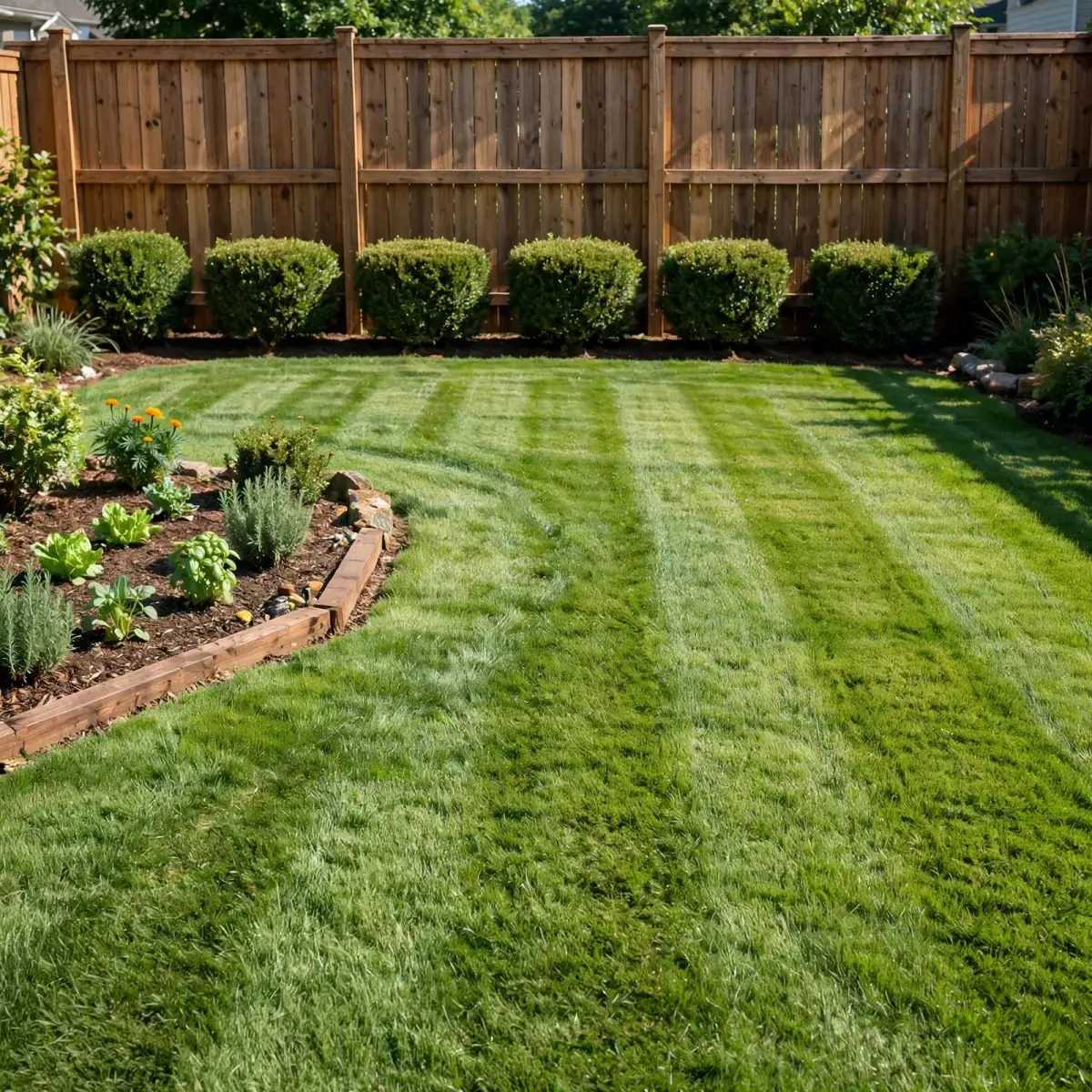
The best spring thaw is a boring one. Year-round professional scooping service means there is nothing to reveal when the snow melts. Your lawn emerges green and undamaged, ready for the new growing season immediately.
Related Resources
- What Does a Pooper Scooper Service Do? →
Learn how professional service handles weather challenges.
- Professional vs DIY Cleanup →
Compare professional service with doing it yourself in tough weather.