
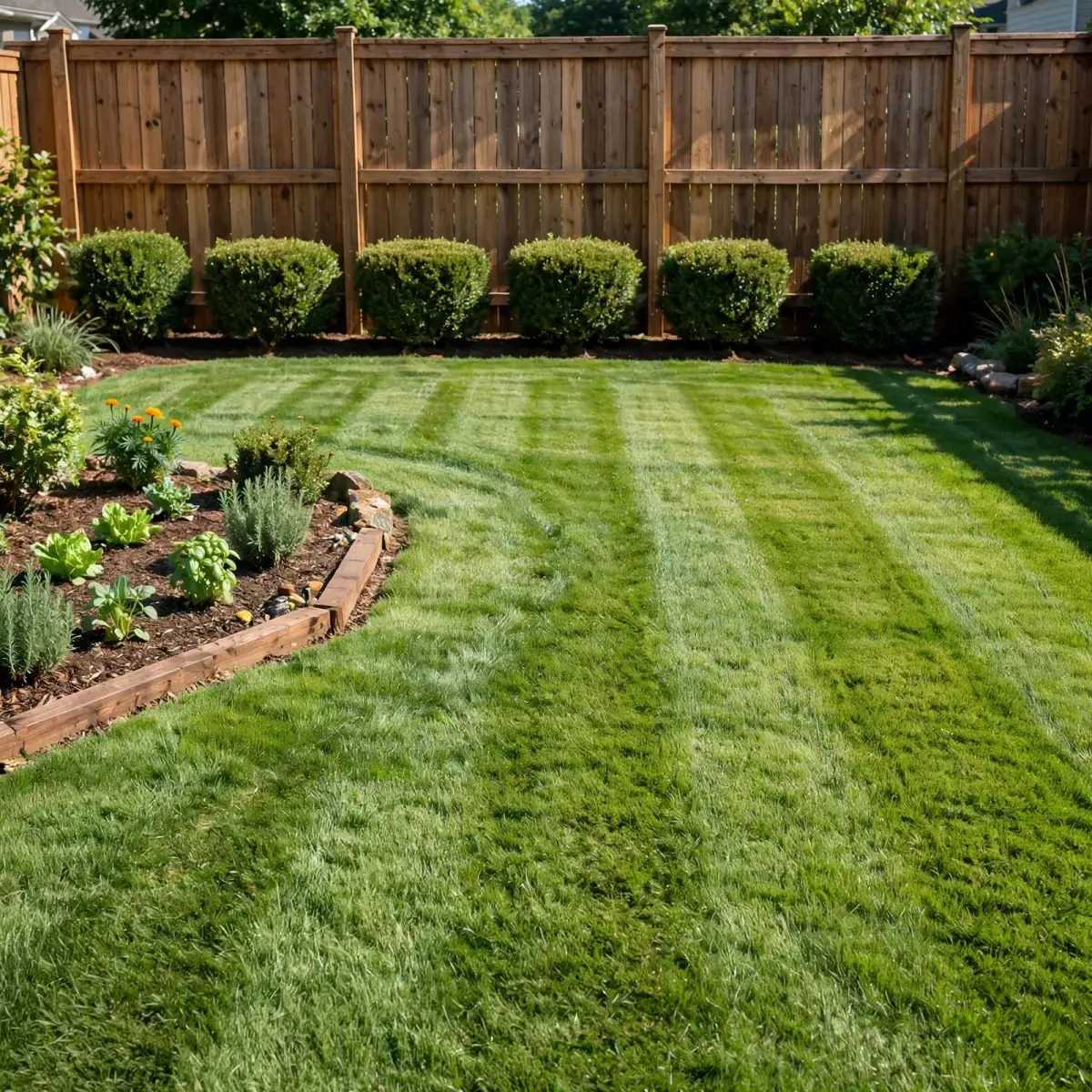
Why Summer Is Unique for New England Dog Owners
Dog owners in the New England (VT, NH, ME) face distinctive waste-management challenges during summer. The region is characterized by short but warm summers with black-fly season, which directly affects how quickly waste decomposes, how visible it remains, and how easily pathogens can spread across your yard.
Understanding these regional conditions is the first step toward keeping your property clean, your family safe, and your lawn healthy throughout the season.
Summer Climate Impact on Dog Waste
Warm temperatures accelerate bacterial multiplication in dog feces. A single pile can harbor E. coli, salmonella, and parasitic eggs that become airborne or wash into groundwater. In the New England, short but warm summers with black-fly season amplifies these risks considerably.
1-2 weeks
Decomposition time
Typical for New England summer conditions
48 hours
Bacterial load peak
Time to maximum pathogen density
Every 2-3 days
Recommended cleanup
Based on regional climate factors
Health Risks During Summer in New England
Dog waste contains an average of 23 million fecal coliform bacteria per gram. During summer in the New England, specific environmental factors increase the risk of exposure for children, other pets, and wildlife.
- Warm, moist conditions allow parasite larvae to survive in soil for months
- Runoff from rain events carries waste bacteria into storm drains and local waterways
- Children and pets playing in yards are most at risk of accidental contact
- Flies breeding in waste can spread bacteria to outdoor dining areas
Warning
The EPA classifies dog waste as a non-point source pollutant in the same category as herbicides and insecticides. A single gram of dog feces can contain 23 million fecal coliform bacteria — enough to make waterways unsafe for swimming and fishing.
Summer Yard Care Tips for the New England
Keeping your lawn healthy during summer requires a proactive approach to waste removal. Here are regionally-specific strategies for New England homeowners.
- Scoop waste within 24-48 hours to prevent lawn burn and pathogen buildup
- Water the lawn after cleanup to dilute residual nitrogen and prevent brown spots
- Designate a specific potty area to concentrate wear and simplify daily maintenance
- Consider professional service during summer when conditions make DIY cleanup unpleasant in the heat
- Apply a pet-safe enzyme treatment to break down residual waste in soil
When to Hire a Professional in New England
Professional pet waste removal services are especially valuable during summer in the New England. The combination of short but warm summers with black-fly season means that consistent, thorough cleanup often requires more time and effort than most homeowners can manage on their own.
Tip
Clean Paws offers weekly and twice-weekly service plans that are specifically designed for New England conditions. Our technicians know exactly where waste hides during summer and use professional-grade tools to ensure nothing is missed.
Most New England customers find that a weekly service during summer pays for itself through saved time, healthier lawns, and peace of mind — especially for households with children or multiple dogs.
Related Resources
- Fall Guide for New England →
Read our fall companion guide for New England dog owners.
- What Does a Pooper Scooper Service Do? →
Learn how professional pet waste removal works and what to expect.