
The Answer
Regarding gastrocolic reflex: The gastrocolic reflex is a normal physiological response — eating triggers colon contractions that produce the urge to defecate. The poop isn't from the meal they just ate..
Key factors that influence this include: meal size, gut sensitivity, time since last bowel movement, and individual variation in gastrocolic reflex strength.
How Dog Digestion Works
Understanding your dog's digestive process helps explain stool characteristics. Food travels from the stomach through the small intestine (nutrient absorption) and large intestine (water absorption) before forming stool.
6-10 hours
Total digestive transit
From eating to elimination for most adult dogs
4-6 hours
Stomach emptying
Food leaves the stomach and enters the small intestine
12-36 hours
Large intestine transit
Water absorption and stool formation
What You Can Do
Diet and lifestyle adjustments can significantly impact your dog's digestive health and stool quality.
- Feed a consistent, high-quality diet — avoid frequent food switching.
- Ensure adequate fresh water is always available.
- Add appropriate fiber sources (pumpkin, sweet potato) for digestive regulation.
- Maintain regular exercise — physical activity promotes healthy gut motility.
- Consider probiotics for dogs with chronic digestive issues (consult your vet).
- Feed on a consistent schedule to establish predictable bathroom habits.
When to Consult Your Veterinarian
Digestive changes that persist for more than 48-72 hours, or that are accompanied by other symptoms, should be evaluated by a veterinarian.
Info
Keeping a "poop diary" for a few days before your vet visit — noting frequency, consistency, color, and timing relative to meals — provides your vet with valuable diagnostic information.
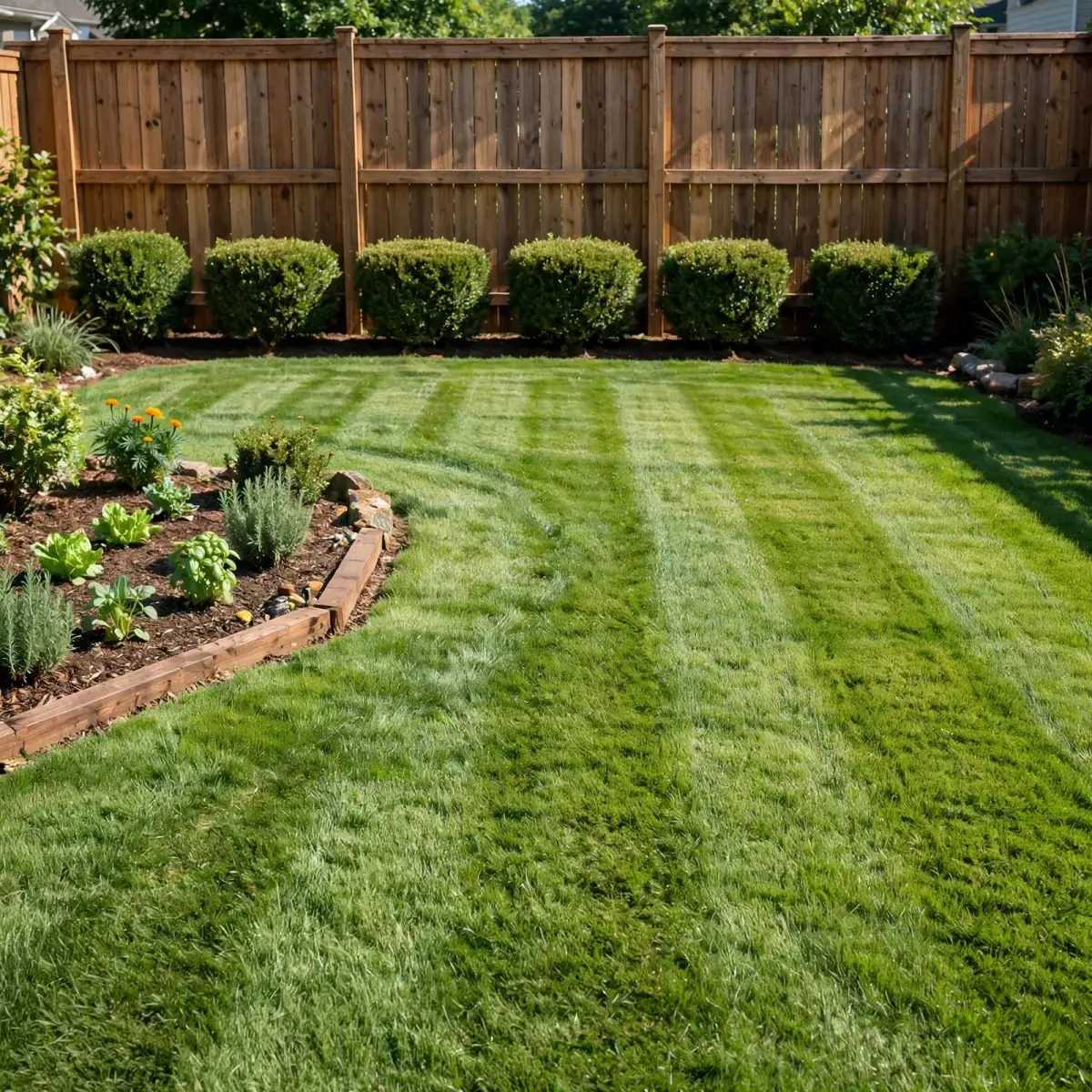
Clean Yard, Clear Picture
A clean yard makes it much easier to monitor your dog's digestive health. When waste is removed promptly and regularly, you can spot changes in the freshest stool rather than guessing among old deposits.
Related Resources
- Why Is My Dog Pooping Blood? (When to See a Vet) →
Learn more about dog pooping blood
- Why Is My Puppy Pooping So Much? (Normal vs. Concerning) →
Learn more about puppy pooping a lot
- Why Is My Dog's Poop Covered in Hair? →
Learn more about dog poop hair